





What's Happening?
Recent research has revealed that winter storm tracks in the North Pacific are moving toward the North Pole at a faster rate than previously anticipated by climate models. This shift, identified by Dr. Rei Chemke of the Weizmann Institute of Science and
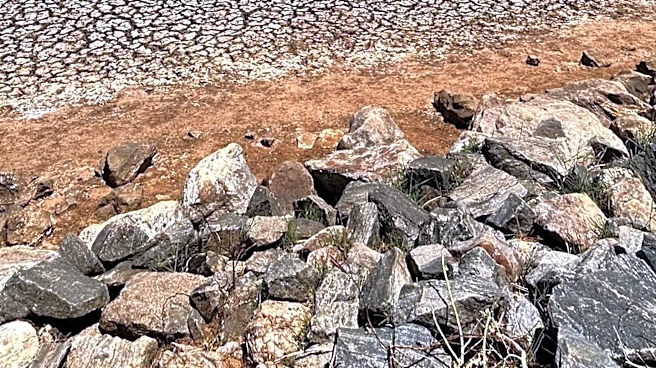
Dr. Janni Yuval of Google Research, indicates a significant change in atmospheric patterns. These storm tracks, which traditionally carry heat and moisture from warmer regions to the poles, are now affecting Alaska more intensely, contributing to the loss of approximately 60 billion tons of ice annually. Meanwhile, the southwestern United States is experiencing increased heat and dryness, exacerbating wildfire risks. The study, published in Nature, utilized a new metric based on sea-level pressure to distinguish between natural climate variability and human-induced changes, concluding that the observed shift is a direct result of climate change.
Why It's Important?
The northward movement of storm tracks has profound implications for climate patterns and environmental conditions across North America. As these tracks shift, they alter the distribution of heat and moisture, potentially leading to more extreme weather events. In Alaska, the increased heat and moisture contribute to accelerated glacial melting, while the southwestern U.S. faces heightened drought and wildfire risks. The study suggests that current climate models may underestimate these changes, posing challenges for future climate preparedness. Accurate predictions are crucial for developing effective strategies to mitigate the impacts of climate change, particularly in regions vulnerable to extreme weather and environmental shifts.
What's Next?
The findings underscore the need for improved climate models that can more accurately predict the effects of climate change on storm track movements. Researchers and policymakers may need to reassess current climate strategies and preparedness plans to account for these rapid changes. Further studies could focus on refining models to better capture the dynamics of storm tracks and their broader impacts. Additionally, there may be increased pressure on governments and environmental organizations to implement adaptive measures to protect vulnerable regions from the anticipated consequences of these shifts.
Beyond the Headlines
The rapid shift in storm tracks highlights the complex interplay between climate change and atmospheric dynamics. This development raises ethical and policy questions about the responsibility of nations to address climate change and its impacts. It also emphasizes the importance of international collaboration in climate research and policy-making. As the effects of climate change become more pronounced, there may be a growing demand for innovative solutions and technologies to mitigate environmental damage and protect affected communities.