


What's Happening?
An Irish MEP has warned that a Europe-wide ban of TikTok cannot be ruled out as the social media giant faces renewed calls to address concerns regarding content depicting dangerous and illegal activities. The warning comes after TikTok declined to appear
before the Oireachtas Media committee to discuss videos showing individuals driving the wrong way on motorways, following a recent fatal collision on the M9 motorway in which five teenagers died. Fianna Fáil Dublin MEP Barry Andrews accused TikTok of disrespecting the State by refusing to attend the hearing, especially given that its European headquarters are located in Dublin and Ireland acts as the main regulator for TikTok in Europe. Minister for Enterprise Peter Burke also criticized social media companies for failing to promptly remove dangerous content, stating that they have a significant responsibility to moderate such material.
Why It's Important?
This situation highlights the growing tension between social media companies and regulatory bodies, particularly concerning content moderation and platform accountability. The potential for a Europe-wide ban on TikTok, a major social media platform with a significant U.S. user base, could set a precedent for how other global tech companies are regulated internationally. For U.S. users and businesses, such a ban could impact content creation, advertising strategies, and cross-border digital interactions. It also underscores the broader debate about the responsibilities of tech companies in preventing the spread of harmful content and their engagement with governmental oversight. The incident reflects a global trend of increased scrutiny on social media platforms, pushing for greater transparency and more robust content moderation policies to protect public safety and societal well-being.
What's Next?
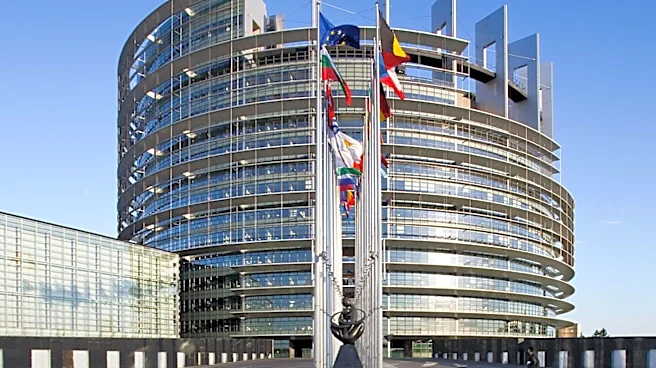
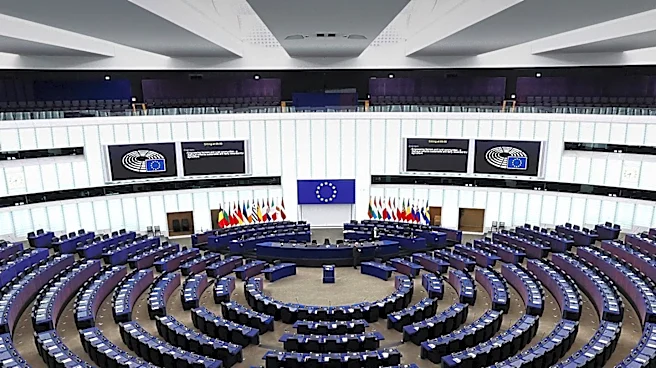
The Oireachtas Media committee may continue to press TikTok and other social media companies, including Meta, to appear for discussions on content moderation. While TikTok initially cited an ongoing garda investigation and a separate examination by Coimisiún na Meán as reasons for not attending, committee chair Labour TD Alan Kelly has suggested that TikTok could appear alongside other social media companies. The European Commission could activate legal clauses allowing for the temporary suspension of TikTok in Europe, as suggested by Barry Andrews. This would involve a complex legal and political process, potentially leading to significant changes in how TikTok operates within the EU. The outcome of these discussions and potential regulatory actions will likely influence future policies regarding social media content and platform accountability across Europe and potentially impact global regulatory frameworks.
Beyond the Headlines
This issue delves into the complex interplay between national sovereignty, international corporate responsibility, and the digital age's challenges. The accusation that TikTok, as a Chinese company, may not fully understand democratic systems, raises questions about cultural differences in corporate governance and engagement with governmental bodies. It also highlights the ethical dilemma faced by social media platforms: balancing freedom of expression with the imperative to protect users from harmful content. The M9 crash, which tragically involved teenagers, underscores the real-world consequences of online content, particularly for vulnerable populations. This situation could catalyze a broader re-evaluation of how social media platforms are regulated, not just in Europe but globally, potentially leading to more stringent laws and greater accountability for tech giants in managing user-generated content and its societal impact.