




What's Happening?
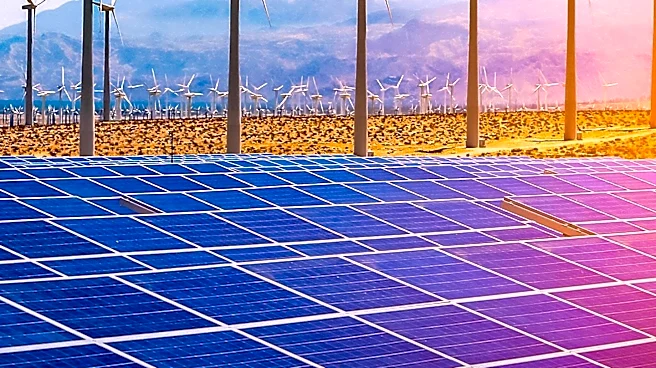
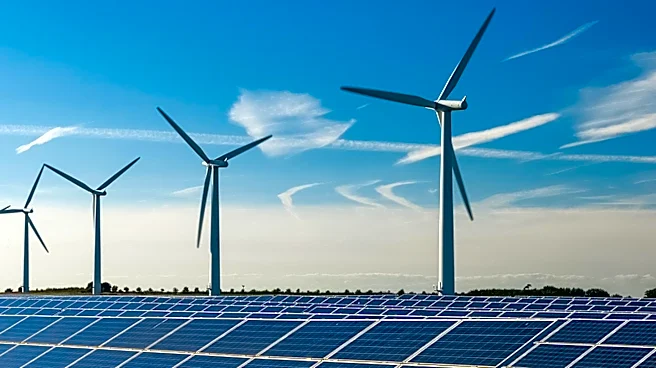
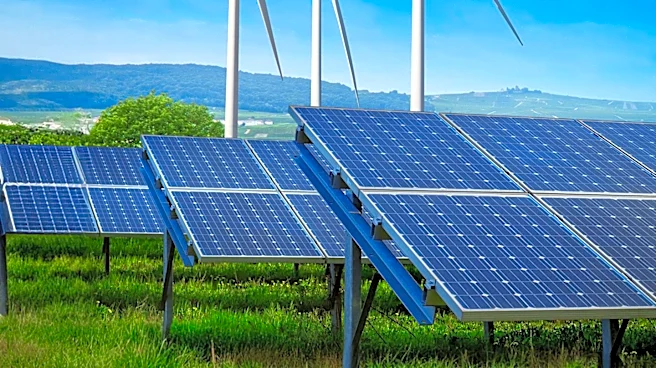
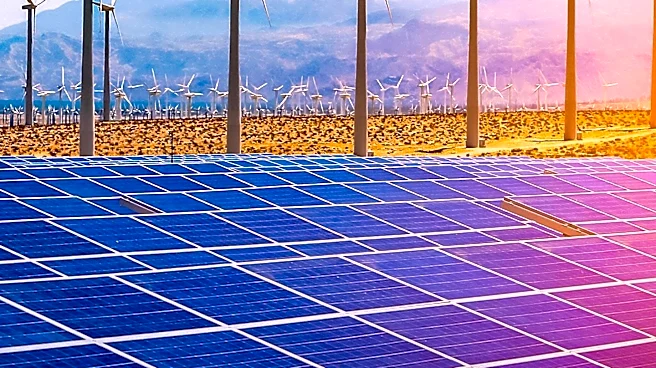
Oregon is increasingly shifting towards renewable energy sources while reducing its dependence on coal, according to the state Department of Energy's recent 'Biennial Energy Report.' The report highlights that wind and solar power are becoming more significant
components of the state's energy mix, with solar use increasing eighteenfold between 2014 and 2024. Hydropower remains the largest single source, providing nearly 34% of Oregon's power. While out-of-state imports and natural gas still contribute substantially, coal's share has fallen by over two-thirds since 2016, now accounting for about 8%. This transition aligns with a 2021 state law mandating major electric utilities to reduce greenhouse gas pollution significantly by 2030 and 2035. Overall energy demand is growing, with commercial consumption, including data centers, reaching a record 20% of statewide power use in 2024.
Why It's Important?
Oregon's accelerating transition to renewable energy is crucial for meeting its ambitious climate goals and reducing its carbon footprint. The significant decrease in coal reliance demonstrates tangible progress towards a cleaner energy future, setting a precedent for other states. The growth in commercial energy consumption, particularly from data centers, underscores the increasing demand for power driven by technological advancements. This trend highlights the need for continued investment in renewable infrastructure and energy efficiency measures to sustain growth without compromising environmental objectives. The report provides valuable data for policymakers, energy providers, and environmental advocates to assess progress and identify areas for further action in the state's energy strategy.
What's Next?
Oregon's energy sector will likely continue its trajectory towards greater renewable integration to meet the mandated greenhouse gas reduction targets for 2030 and 2035. This will necessitate further investment in wind, solar, and other clean energy technologies, as well as potential upgrades to the state's energy grid to accommodate these intermittent sources. Policymakers may also need to address the growing energy demands from sectors like data centers, potentially through incentives for energy-efficient designs or by exploring new energy generation methods. The state Department of Energy will continue to monitor these trends, with future biennial reports providing updates on Oregon's progress and challenges in its energy transition.
Beyond the Headlines
The shift in Oregon's energy landscape reflects a broader national and global movement towards decarbonization and sustainable energy. The challenges faced by Oregon, such as integrating intermittent renewable sources and managing increased demand from energy-intensive industries, are common across many regions. This transition involves not only technological advancements but also significant policy, economic, and social considerations. It highlights the complex interplay between environmental goals, economic development, and energy security. Oregon's experience can offer valuable insights into effective strategies for transitioning to a low-carbon economy, including the importance of legislative mandates, technological innovation, and public-private partnerships in achieving ambitious climate objectives.