







What's Happening?
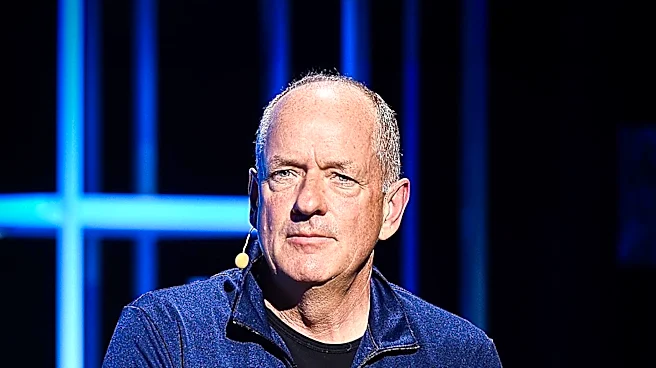
Phil Lord, COO of Solera, has overseen the implementation of an AI reviewer designed to protect and amplify clinical judgment in senior living facilities. This AI system securely accesses information from ALIS and connected point solutions, evaluating
data across various systems rather than reviewing individual reports. The primary goal is to ensure that relevant leaders are alerted to exceptions in a timely manner, allowing for proactive intervention. Solera's AI reviewer also performs inverse reviews, identifying potential detection failures, such as a documented fall in ALIS without corresponding ambient monitoring data, and directs these issues to the technology partner. The system was initially launched in July and has since been expanded to thirteen Solera communities, moving beyond its pilot phase. This initiative aims to streamline operations and improve the quality of care by providing clearer insights into resident well-being and operational gaps.
Why It's Important?
The deployment of Solera's AI reviewer signifies a significant advancement in the application of artificial intelligence within the U.S. senior living sector. This technology addresses critical operational challenges, such as the time-consuming nature of manual reviews and the potential for missed information, which can directly impact resident safety and care quality. By automating the identification of exceptions and potential issues, the AI system allows care teams to focus on direct resident interaction and clinical decision-making, rather than administrative tasks. The reported outcomes, including improved reconciliation between fall events and incident reports, a near-zero rate of medication availability failures, and 100% completion of care documentation, demonstrate the tangible benefits of this innovation. This could set a new standard for operational efficiency and resident care in senior living, potentially influencing other operators to adopt similar AI-driven solutions to enhance their services and address staffing challenges.
What's Next?
Following the successful expansion of the AI review system across thirteen Solera communities, the next steps will likely involve further integration and optimization of the technology. Solera may explore additional functionalities for the AI reviewer, such as predictive analytics to anticipate potential health issues or operational bottlenecks before they occur. Other senior living operators will likely observe Solera's success closely, potentially leading to increased adoption of AI solutions across the industry. This could foster a competitive environment for technological innovation in senior care, driving further development in areas like personalized care plans, remote monitoring, and administrative automation. The continued evolution of such AI tools will likely lead to ongoing discussions about data privacy, ethical AI use, and the balance between technological efficiency and human touch in caregiving.
Beyond the Headlines
Beyond the immediate operational improvements, Solera's AI initiative highlights a broader shift in how technology is being leveraged to address the complex demands of an aging population in the U.S. The emphasis on 'protecting and amplifying clinical judgment' rather than replacing it underscores a crucial ethical consideration in AI deployment within healthcare: using AI as a supportive tool for human expertise. This approach could mitigate concerns about the dehumanization of care while maximizing efficiency. Furthermore, the ability of the AI to identify 'detection failures' points to a sophisticated level of system integration and self-correction, which could lead to more robust and reliable care ecosystems. This development also raises questions about the future workforce in senior living, potentially shifting roles towards more specialized oversight of AI systems and complex care cases, rather than routine data review. The long-term impact could be a redefinition of quality care, where technology plays an integral role in ensuring both safety and personalized attention.