


What's Happening?
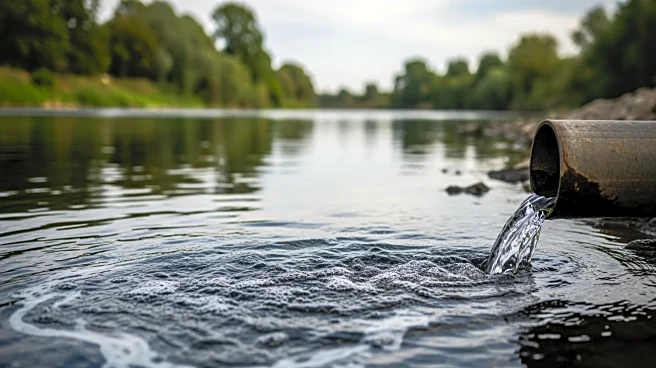
D.C. Water is under intense scrutiny following a massive sewage spill into the Potomac River, which has become one of the largest in U.S. history. The spill, resulting from a ruptured sewer line on January 19, released over 300 million gallons of raw
wastewater. This incident has raised public frustration, particularly as D.C. Water has invested billions in infrastructure modernization and riverway cleanup, funded by consistent utility rate hikes. The spill has led to high levels of dangerous pathogens in the river, posing ecological threats. Questions are being raised about the maintenance and inspection of the aging sewer line, which dates back to the 1960s.
Why It's Important?
The spill highlights significant issues in public utility management and accountability. Despite substantial financial investments, the failure of D.C. Water to prevent such a disaster raises concerns about the effectiveness of infrastructure spending. The ecological impact threatens local wildlife and public health, potentially affecting tourism and local economies dependent on the river. The incident underscores the need for rigorous oversight and reform in public utilities to ensure that increased funding translates into improved services and infrastructure reliability.
What's Next?
D.C. Water's immediate priority is to repair the pipeline and mitigate environmental damage. There is likely to be increased pressure for accountability, with potential investigations into the agency's maintenance practices and financial management. Public and governmental demand for transparency and reform could lead to policy changes in how public utilities are managed and funded. The incident may also prompt broader discussions on infrastructure investment priorities and regulatory oversight.