






What's Happening?
Residents of Watertown, New York, are seeking intervention from the city council to address persistent issues of excessive noise from vehicles. James Davis Jr., a tenant of Hilltop Towers apartments, presented a petition to the city council last week,
articulating the frustration of residents who are 'fed up with the loud noises coming from vehicles, motorcycles, just revving their motors, going up and down the street, thinking it’s just a racetrack.' The petition specifically targets illegal mufflers and loud music blaring from vehicle speakers, which disrupt sleep schedules and daily life, particularly for individuals with disabilities or early bedtimes. Watertown Police Chief Cristin Lyon acknowledged the department's efforts to enforce existing laws, specifically Section 375 concerning inadequate or modified exhausts. However, Chief Lyon also noted the practical limitations, stating that there are not enough police officers to make noise violations a top priority, as the department typically prioritizes moving violations and other traffic infractions that pose a direct danger to people.
Why It's Important?
This situation highlights a common urban challenge where quality of life issues, such as noise pollution, intersect with law enforcement priorities and resource allocation. For residents, especially those in densely populated areas like Hilltop Towers, constant loud noise can significantly impact health and well-being, leading to sleep deprivation, stress, and reduced overall quality of life. The petition underscores the community's desire for a peaceful living environment and their expectation for local government to address these concerns. For the Watertown Police Department, it illustrates the difficult balance between responding to community complaints and managing limited resources, often prioritizing more immediate public safety threats. This dynamic can create tension between residents seeking relief and law enforcement agencies operating under operational constraints, making effective policy and enforcement solutions crucial for community harmony.
What's Next?
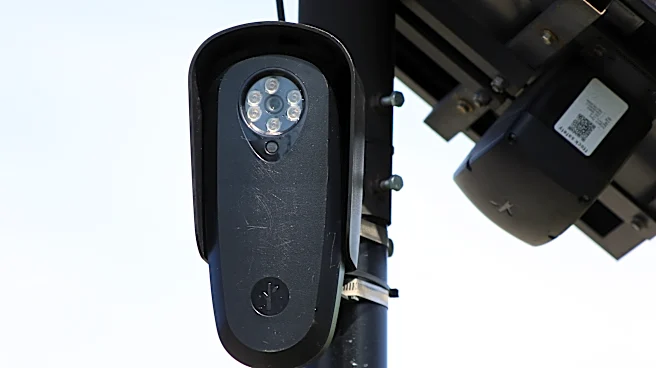
The Watertown City Council will likely deliberate on the petition and the concerns raised by residents. Potential next steps could include discussions on increasing police presence in affected areas during peak noise hours, exploring technological solutions for noise monitoring, or reviewing existing ordinances for potential amendments to strengthen enforcement. Chief Lyon's acknowledgment of the issue suggests that while resources are limited, the department is open to stepping up enforcement of noise violations and improper exhaust if it becomes a higher priority. The council might also consider public awareness campaigns to educate drivers about noise regulations and their impact on the community. The outcome will depend on the council's ability to allocate resources, enact effective policies, and foster collaboration between residents and law enforcement to find a sustainable solution to the noise problem.
Beyond the Headlines
The issue of noise pollution in Watertown extends beyond mere inconvenience; it touches upon broader themes of urban planning, public health, and social equity. Persistent noise can disproportionately affect vulnerable populations, such as the elderly, individuals with disabilities, and those working night shifts, exacerbating existing health disparities. This community outcry also reflects a desire for a more livable and respectful urban environment, where individual freedoms (like modifying vehicle exhausts) are balanced against the collective right to peace and quiet. The challenge for city officials lies in crafting solutions that are both effective and equitable, potentially involving a multi-faceted approach that combines stricter enforcement with community engagement and urban design strategies aimed at mitigating noise. This situation serves as a microcosm of how local governments grapple with balancing diverse community needs and resource limitations.