








What's Happening?
A new wave of left-wing candidates, many with critical views on Israel, are gaining traction in Democratic primaries across the United States. These candidates, some backed by the Democratic Socialists of America (DSA), are challenging incumbents and other
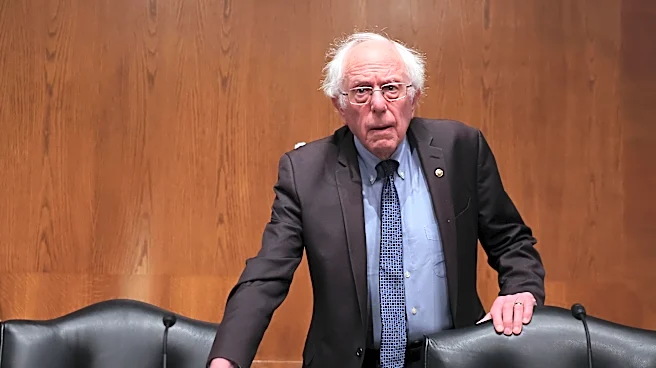
candidates who have traditionally supported pro-Israel policies. Notable races include Arizona's 4th Congressional District, where activist Kai Newkirk is challenging pro-Israel incumbent Greg Stanton, and Missouri's 1st District, where former Rep. Cori Bush is running against Wesley Bell. These candidates are often supported by progressive organizations and figures like Senator Bernie Sanders. Their platforms frequently include calls to end military aid to Israel and impose arms embargoes, reflecting a growing sentiment among some Democratic voters that the U.S. is overly supportive of Israel.
Why It's Important?
The rise of these candidates signifies a potential shift in the Democratic Party's stance on Israel, which could have significant implications for U.S. foreign policy. If successful, these candidates could influence the party's approach to Middle East policy, particularly regarding U.S.-Israel relations. This shift could also impact domestic politics, as it reflects broader changes in the Democratic electorate's priorities, including a focus on campaign finance reform and social justice issues. The success of these candidates could embolden more progressive voices within the party, potentially leading to a reevaluation of longstanding foreign policy positions.
What's Next?
As the primaries continue, the outcomes of these races will be closely watched to gauge the influence of progressive and left-wing movements within the Democratic Party. The results could determine the party's direction on key issues, including foreign policy and domestic reform. Additionally, the reactions from pro-Israel groups and other political stakeholders will be critical in shaping the discourse around these elections. The general elections will further test the viability of these candidates in broader electoral contests, potentially setting the stage for future policy debates.
Beyond the Headlines
The candidacies of these left-wing challengers also raise questions about the role of lobbying groups like AIPAC in American politics. Their campaigns often highlight the influence of money in politics and call for greater transparency and reform. This movement could lead to increased scrutiny of political donations and lobbying practices, potentially resulting in legislative efforts to address these issues. Furthermore, the discourse around these elections may contribute to broader discussions about antisemitism and the boundaries of legitimate criticism of Israel.