









What's Happening?
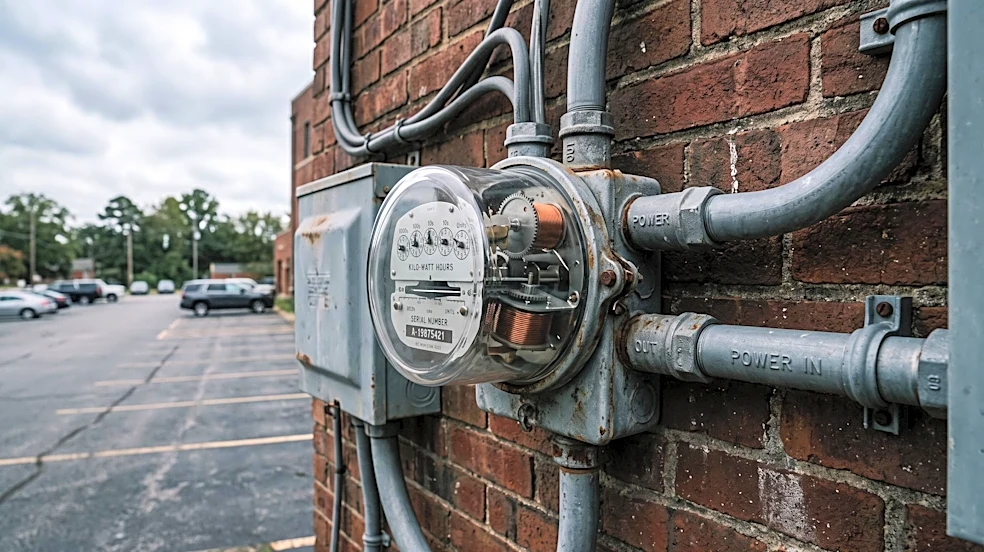
The Warwick School District in Rhode Island is facing a projected deficit of $2.6 million for Fiscal Year 2027, as announced by Finance Director Rita Dias to the School Committee. This anticipated shortfall is primarily attributed to higher-than-budgeted
utility costs, including electricity, diesel, and natural gas. Additionally, tuition payments to other school districts are expected to contribute approximately $600,000 to the deficit, a figure Dias stated was unforeseen. The increase in out-of-district tuition rates follows a notice from the Rhode Island Department of Education (RIDE) last August, mandating the use of per-pupil rates, which are significantly higher. Special education expenses are also consistently over budget. This projected deficit for FY27 comes on the heels of a $1.5 million deficit for FY26, which included $1.1 million for electricity and $309,000 for unexpected snow expenses. Committee Chairman Shaun Galligan noted that the city was informed of a potential budget deficit by the school department on September 17.
Why It's Important?
This projected deficit for the Warwick School District highlights a growing financial strain on public education systems, particularly in managing escalating operational costs. The significant impact of utility expenses underscores the vulnerability of school budgets to fluctuating energy markets and the challenges of accurately forecasting these costs. The increase in out-of-district tuition rates, driven by state-level policy changes, demonstrates how external mandates can create unforeseen financial burdens for local districts. This situation could lead to difficult decisions regarding resource allocation, potentially affecting educational programs, staffing levels, or facility maintenance. For taxpayers, it may signal future discussions about budget adjustments, potential tax increases, or a re-evaluation of how educational services are funded and delivered. The recurring nature of these deficits, with a previous $1.5 million shortfall, suggests a systemic issue that requires comprehensive long-term financial planning and potentially state-level support or policy adjustments to ensure the stability and quality of public education.
What's Next?
The Warwick School District will likely need to develop a comprehensive plan to address the projected $2.6 million deficit for FY27. This will involve a detailed review of current expenditures and potential areas for cost reduction. The School Committee, in conjunction with the district's finance department, will need to explore strategies to mitigate the impact of rising utility costs and out-of-district tuition. This could include advocating for changes in state funding formulas or seeking additional support from the city. Discussions may also arise regarding the long-term sustainability of current spending patterns, particularly concerning special education expenses and facility maintenance, which are consistently over budget. The city, having been notified of the potential deficit, will likely engage in collaborative efforts with the school department to find solutions, which could involve budget reallocations, exploring new revenue streams, or making difficult decisions about services. The community, including parents and taxpayers, will likely follow these developments closely, as the outcomes could directly affect the quality of education and local tax rates.
Beyond the Headlines
The persistent financial challenges faced by the Warwick School District, as evidenced by the projected $2.6 million deficit, point to broader systemic issues within public education funding across the U.S. The reliance on per-pupil rates for out-of-district tuition, while seemingly equitable, can disproportionately impact districts with a higher number of students requiring specialized services, effectively transferring costs without necessarily providing commensurate state aid. This situation also highlights the often-underestimated impact of infrastructure costs, such as utilities and maintenance, on educational budgets. As climate change and energy market volatility continue, these costs are likely to remain unpredictable and significant. The ongoing struggle to balance educational needs with financial realities can lead to a cycle of underfunding, potentially affecting teacher retention, curriculum development, and the overall learning environment. This scenario underscores the need for a national dialogue on sustainable and equitable funding models for public schools, moving beyond annual budget crises to long-term strategic financial planning that accounts for both educational mandates and economic realities.