
What's Happening?
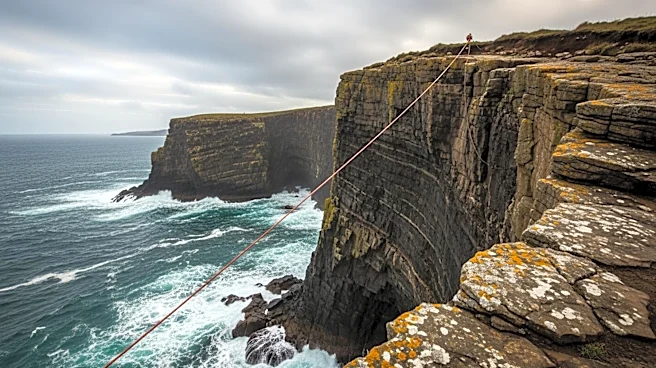
A family of seven, including four adults and three children, was rescued from a cliff edge at North Head lookout in Durras, New South Wales, after becoming trapped by rising tides. The incident occurred
over the weekend when the family was walking along the base of the cliffs and the tide began to rise unexpectedly. With no safe path to retreat, they climbed the rocky cliff face and awaited rescue as waves crashed below. The Eurobodalla State Emergency Service (SES) was called to the scene after a helicopter rescue was deemed too dangerous due to the risk of the helicopter's downdraft blowing the family off the cliff. The SES team used an 'Arizona Vortex' frame for edge protection and lowered a team member to assess and assist the family. The rescue operation took over three hours, but all members of the family were safely brought to the top of the cliff with only minor scrapes.
Why It's Important?
This rescue highlights the dangers of coastal activities and the importance of emergency services in responding to life-threatening situations. The successful rescue operation underscores the critical role of the SES and similar organizations in ensuring public safety, particularly in areas prone to natural hazards like rising tides and rough seas. The incident serves as a reminder of the unpredictable nature of coastal environments and the need for caution when engaging in outdoor activities near water. It also demonstrates the effectiveness of coordinated emergency response efforts and the bravery of rescue personnel who risk their lives to save others.
What's Next?
Following this incident, there may be increased calls for public awareness campaigns to educate tourists and locals about the risks associated with coastal activities. Authorities might consider implementing additional safety measures or signage in popular tourist areas to prevent similar incidents. The SES and other emergency services could also review and refine their rescue protocols to enhance efficiency and safety in future operations. Community engagement and education initiatives could be prioritized to ensure that individuals are better prepared and informed about the potential dangers of natural environments.
Beyond the Headlines
This event may prompt discussions about the broader implications of climate change and its impact on coastal safety. Rising sea levels and increased storm activity could lead to more frequent and severe incidents, necessitating greater investment in emergency response infrastructure and training. The psychological impact on the rescued family and the rescuers themselves is another aspect that may be explored, highlighting the need for mental health support in the aftermath of traumatic events. Additionally, the incident could influence policy decisions regarding tourism management and environmental conservation in coastal regions.