








What's Happening?
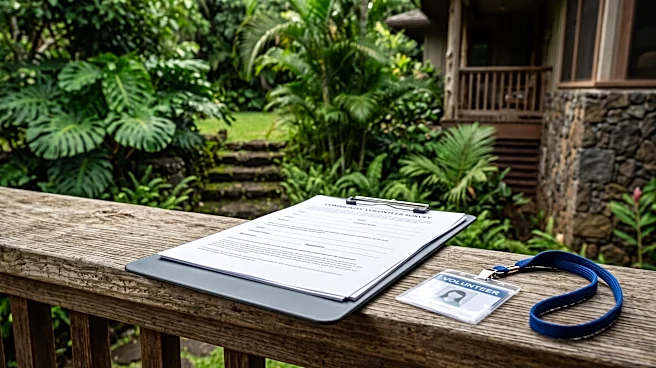
From November 16-20, survey teams will conduct a Community Assessment for Public Health Emergency Response (CASPER) survey in Kauaʻi to assess the impacts of Hurricane Lowell and ongoing recovery needs. Teams will go door-to-door in 30 randomly selected
census blocks, systematically selecting seven homes within each block for a total of 210 attempted household surveys. Solomon Kanoho, local disaster recovery and mitigation manager for the County of Kauaʻi, stated that the CASPER survey will inform the county's continued recovery efforts. Participants will be asked about their emergency supplies immediately after the storm, physical and economic impacts on their household, general health and well-being, and any ongoing recovery needs. The survey is voluntary, takes less than 10 minutes to complete, and all responses are confidential, with no names or addresses collected. Team members, comprised of Hawaiʻi DOH staff with support from the Kauaʻi Medical Reserve Corps and the Kauaʻi Emergency Management Agency, will wear identifying vests and carry identification cards.
Why It's Important?
This CASPER survey is crucial for understanding the comprehensive impact of Hurricane Lowell on the Kauaʻi community and for guiding effective recovery strategies. By collecting direct household data on emergency preparedness, physical and economic damages, and health impacts, authorities can gain a granular understanding of the community's needs. This information is vital for allocating resources efficiently, identifying vulnerable populations, and tailoring support programs to address specific challenges faced by residents. The confidentiality of responses encourages honest feedback, which is essential for accurate assessment. Furthermore, the involvement of multiple agencies, including the Hawaiʻi Department of Health and local emergency management, ensures a coordinated approach to disaster recovery. The survey's findings will not only inform immediate recovery efforts but also contribute to long-term resilience planning, helping Kauaʻi better prepare for future natural disasters and mitigate their effects on its residents and infrastructure.
What's Next?
The CASPER survey will be conducted from November 16-20, with survey teams actively engaging with selected households in Kauaʻi. Following the data collection phase, the information gathered will be analyzed by the Hawaiʻi Department of Health and its partners. The results of this survey will be compiled into a final report, which will then be shared with the public. This report will serve as a critical tool for county, state, and federal partners, as well as community-based organizations, to guide their recovery efforts and resource allocation. The insights gained will likely influence policy decisions, funding priorities, and the implementation of new programs aimed at supporting the affected population and enhancing the island's preparedness for future natural disasters. This will be the 10th CASPER survey conducted on Kauaʻi, indicating an established process for post-disaster assessment.
Beyond the Headlines
The systematic approach of the CASPER survey in Kauaʻi highlights a broader commitment to evidence-based disaster recovery and public health emergency management. Beyond simply tallying damages, these surveys delve into the human element of disasters, capturing the nuanced impacts on well-being and daily life. This methodology, developed by the Centers for Disease Control and Prevention (CDC), underscores the importance of rapid, reliable data in the immediate aftermath of a crisis. The repeated use of CASPER surveys in Kauaʻi also suggests a continuous learning process, where each assessment contributes to a growing body of knowledge about disaster resilience in the region. This proactive and data-driven approach can foster greater community trust in recovery efforts and lead to more effective, community-centric solutions, ultimately strengthening the social fabric and adaptive capacity of areas prone to natural hazards.