




What's Happening?
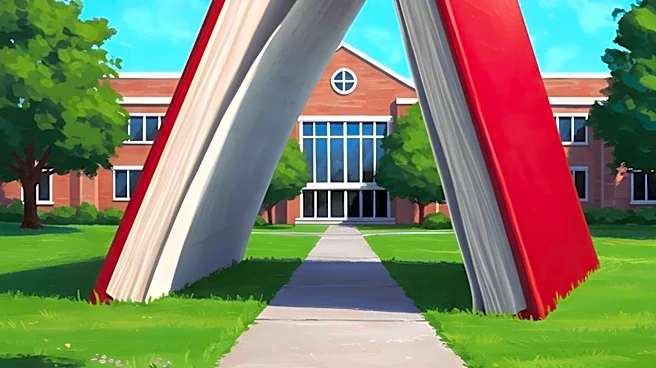
University City Partners, in collaboration with the Charlotte-Mecklenburg Library and the city of Charlotte, have unveiled a new public art installation titled 'Turning the Page' Storybook Sculpture Collection. Located near the University City Regional
Library, this collection aims to boost literacy awareness, community engagement, and cultural appreciation. The installation features sculptures inspired by popular children's books such as 'The Very Hungry Caterpillar,' 'The Cat in the Hat,' and 'Don’t Let the Pigeon Drive the Bus.' Visitors are encouraged to interact with the 360-degree sculptures, take photographs, and explore the nearby library to discover more stories. The project was spearheaded by artist Janeva Tyree, who spent over six months securing approvals from book publishers and developing the designs. Approximately 80% of the installation is made from recycled or reclaimed materials, including wood and fragmented recycled glass, and incorporates solar lighting for nighttime display. The initiative originated from former University City Partners leader Darlene Heater's passion for childhood literacy.
Why It's Important?
This initiative is important for fostering literacy and community engagement within University City and potentially serving as a model for other urban areas. By transforming beloved children's book characters into accessible public art, the project makes reading and imagination tangible and exciting for children, potentially sparking a lifelong interest in literature. For adults, it offers a nostalgic connection to childhood memories and encourages intergenerational interaction around shared stories. The use of recycled and reclaimed materials in the sculptures also highlights environmental sustainability, integrating an important contemporary value into a cultural project. Furthermore, the collaboration between local government, community organizations, and artists demonstrates how public-private partnerships can enrich urban spaces and provide educational opportunities outside traditional settings. This blend of art, literacy, and environmental consciousness contributes to the overall quality of life and cultural vibrancy of the community.
What's Next?
The 'Turning the Page' Storybook Sculpture Collection is expected to become a permanent fixture and a gathering place for the community. Its unveiling was strategically timed ahead of Kids Fest, an event designed to further engage children with art and educational experiences, suggesting ongoing efforts to integrate the sculptures into broader community programming. University City Partners anticipates that the installation will continue to attract visitors, encouraging them to explore the University City Regional Library and participate in other local events. The project's success could inspire similar placemaking initiatives in other neighborhoods, demonstrating the potential for public art to serve as a catalyst for literacy, community building, and environmental awareness. Future plans may include additional art activations and investments in the University Place area, further solidifying its role as a cultural hub.
Beyond the Headlines
Beyond its immediate goal of promoting literacy, the 'Turning the Page' collection carries deeper implications for urban development and cultural identity. The project exemplifies how public art can transform mundane spaces into vibrant, interactive environments that reflect and shape community values. By featuring characters from widely recognized children's literature, the sculptures tap into a collective cultural memory, fostering a sense of shared heritage and belonging. The emphasis on recycled materials also subtly educates the public about sustainable practices, integrating ecological responsibility into artistic expression. This initiative underscores a growing trend in urban planning where public spaces are designed not just for utility but also for inspiration, education, and social cohesion. It highlights the power of art to bridge generations, spark imagination, and contribute to a more environmentally conscious and culturally rich urban landscape.