





What's Happening?
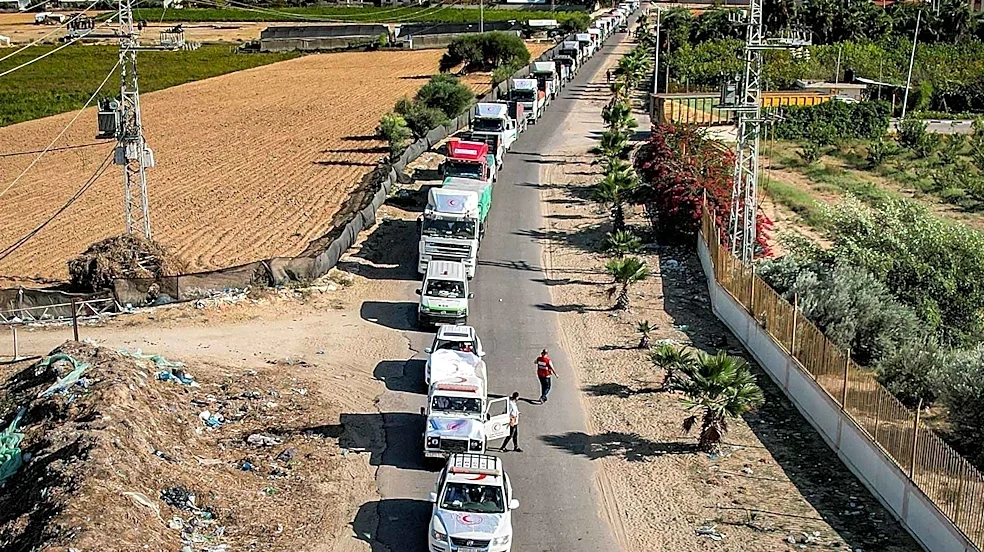
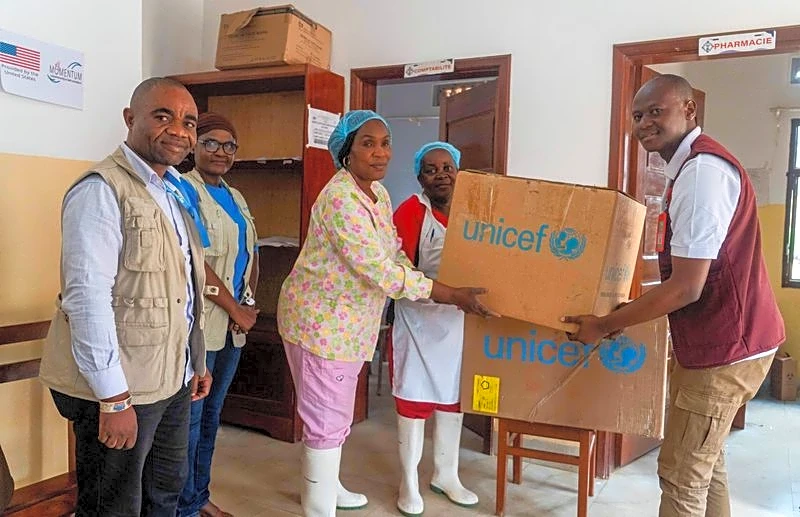
UNICEF is actively working in the State of Palestine, specifically in the Gaza Strip and the West Bank, including East Jerusalem, to ensure that all children have access to essential services and protection. The organization's primary objective is to uphold
the rights of children from early childhood through adolescence, aiming to provide every child with an equal opportunity to fulfill their potential, regardless of their background or circumstances. UNICEF's efforts are part of its broader global mission to save children's lives, defend their rights, and help them achieve their full potential in over 190 countries and territories. The agency emphasizes its commitment to inclusivity, welcoming individuals from diverse backgrounds to its workforce to reflect the diversity of the children it serves. This includes a focus on various aspects of administrative support, budget management, procurement, and partnership coordination to facilitate its operations on the ground.
Why It's Important?
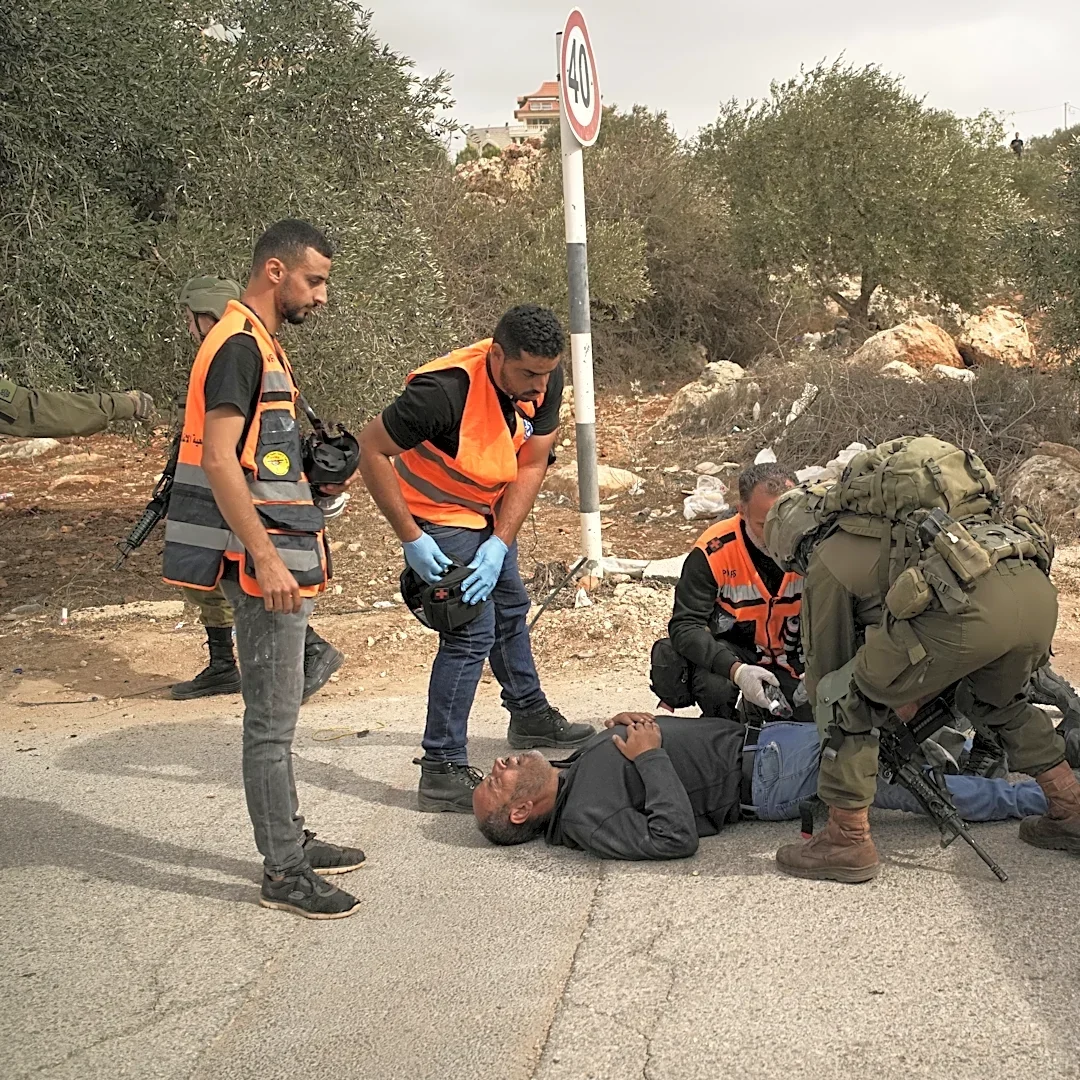
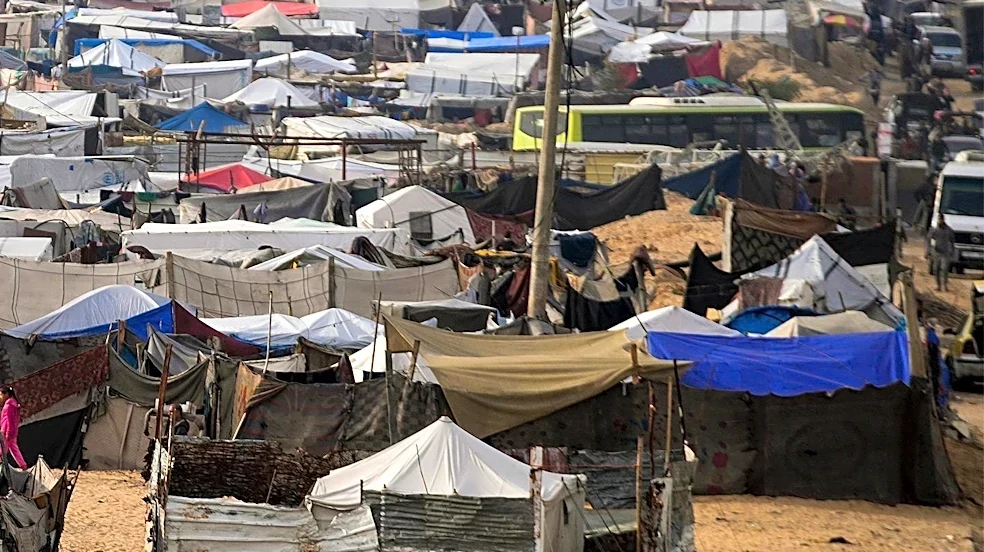
The work of UNICEF in the Gaza Strip and the West Bank is critically important due to the ongoing humanitarian challenges and complex political environment in the region. By focusing on children's rights, UNICEF addresses the most vulnerable segment of the population, whose development and well-being are often severely impacted by conflict and instability. Ensuring access to services and protection for these children is fundamental for their immediate safety and long-term prospects. The organization's commitment to providing an equal chance for every child to fulfill their potential highlights the necessity of sustained humanitarian efforts in areas where basic rights are frequently compromised. This work also underscores the broader international responsibility to protect and support children in conflict zones, contributing to future stability and peace by investing in the next generation.
What's Next?
UNICEF will continue its operations in the State of Palestine, focusing on the implementation of administrative policies, budget management, and the provision of essential administrative support services. The organization will also maintain its efforts in procurement, asset and property management, and fostering partnerships and collaboration to enhance its reach and effectiveness. Given the persistent challenges in the region, UNICEF's ongoing presence and advocacy will be crucial for monitoring and responding to the evolving needs of children. The agency's commitment to staff learning and development also suggests a continuous effort to adapt and improve its humanitarian response capabilities, ensuring that it can effectively address the complex and dynamic environment in Gaza and the West Bank.
Beyond the Headlines
Beyond the immediate provision of services, UNICEF's presence in the Gaza Strip and the West Bank carries deeper implications for international law and human rights. Its persistent advocacy for children's rights in a highly politicized and conflict-ridden area serves as a constant reminder of the universal principles of child protection, even amidst severe geopolitical tensions. The organization's efforts highlight the ethical imperative to prioritize the welfare of children, often caught in circumstances beyond their control. Furthermore, UNICEF's work contributes to documenting and addressing the long-term psychological and social impacts of conflict on young populations, which are critical for any future peace-building and reconciliation processes. The agency's commitment to inclusivity within its own workforce also sets an example for broader societal integration and respect for diversity in challenging environments.