






What's Happening?
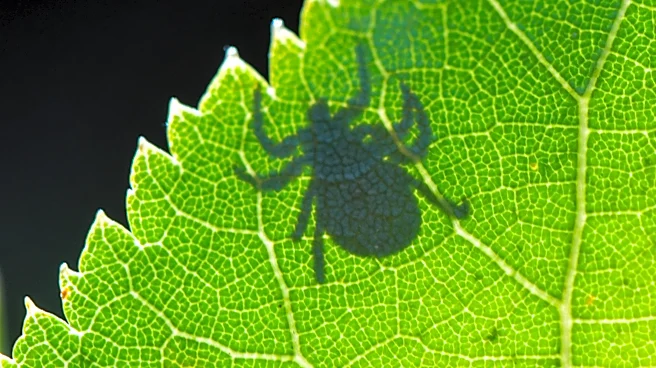
Canada is experiencing a significant tick season, with an increase in Lyme disease and tick-borne anaplasmosis cases. Experts attribute the rise in tick populations to climate change, which has created favorable conditions for ticks to thrive. The blacklegged
tick, known for transmitting Lyme disease, is prevalent in Southern and Eastern Canada. Anaplasmosis, a lesser-known tick-borne disease, is also on the rise, with severe cases requiring hospitalization. Additionally, tick bites can cause red meat allergies in some individuals due to a sugar in tick saliva. This allergy can affect both humans and pets, with varying severity based on individual immune responses.
Why It's Important?
The increase in tick-borne diseases poses a public health challenge, as these illnesses can lead to severe health complications. The rise in anaplasmosis cases, which can cause respiratory failure and organ damage, highlights the need for increased awareness and preventive measures. The potential for tick bites to cause red meat allergies adds another layer of complexity, affecting dietary choices and requiring medical management. The situation underscores the impact of climate change on public health, as warmer temperatures facilitate the spread of ticks and associated diseases.
What's Next?
Efforts to develop a human vaccine for Lyme disease are underway, with renewed interest due to the rising tick populations. Public health campaigns may focus on educating the public about tick prevention and the importance of early detection and treatment of tick-borne diseases. Researchers may continue to study the effects of climate change on tick distribution and explore strategies to mitigate the spread of these diseases. The healthcare system may also need to adapt to the increasing demand for testing and treatment of tick-borne illnesses.