


What's Happening?
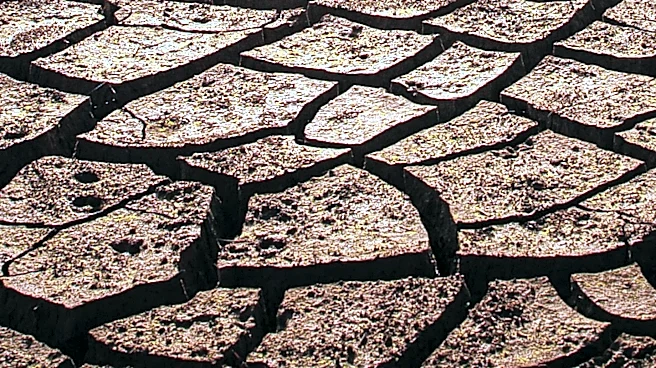
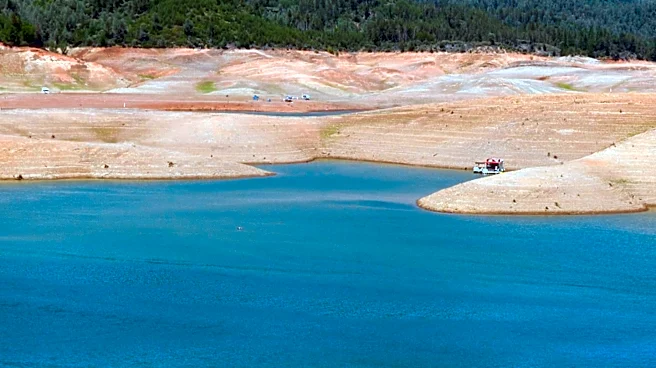
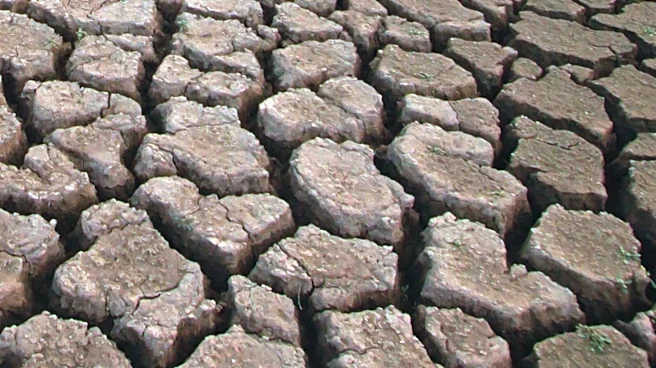
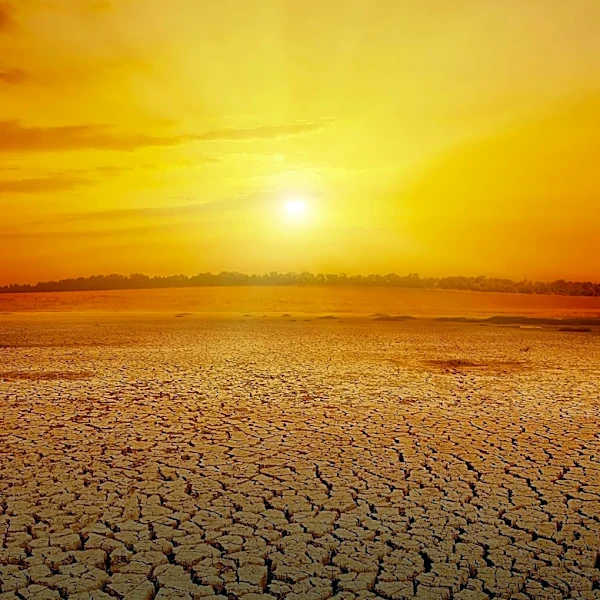
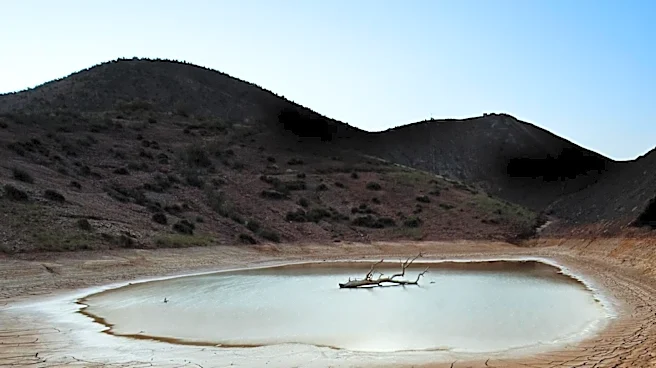
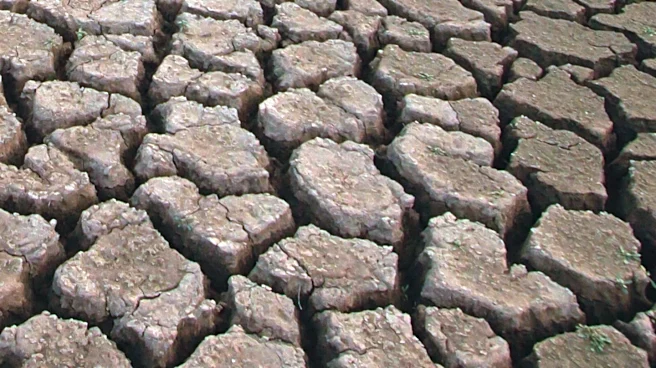
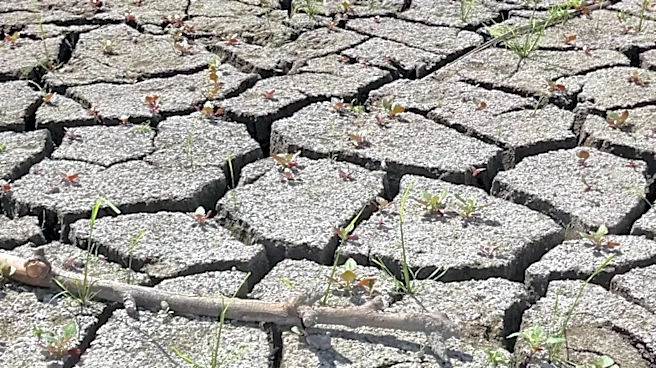
Governor Tina Kotek has declared drought conditions across Southern Oregon, including Jackson County, following one of the driest winters in state history. Reservoirs are at critical lows, impacting water availability for agriculture and local businesses.
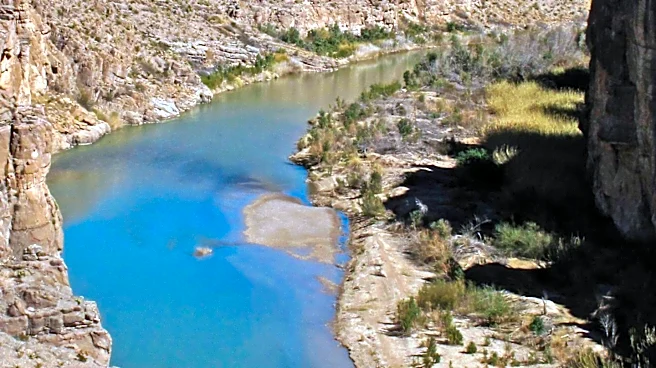
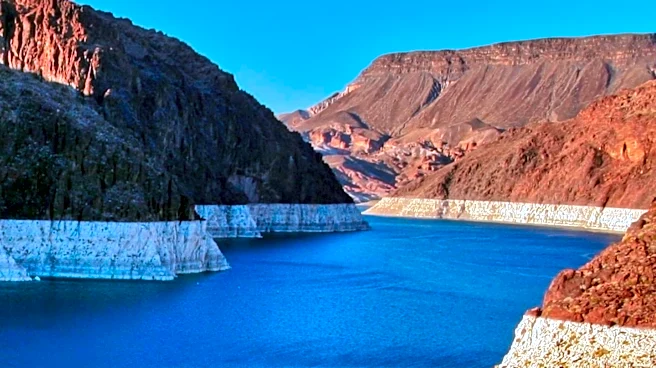
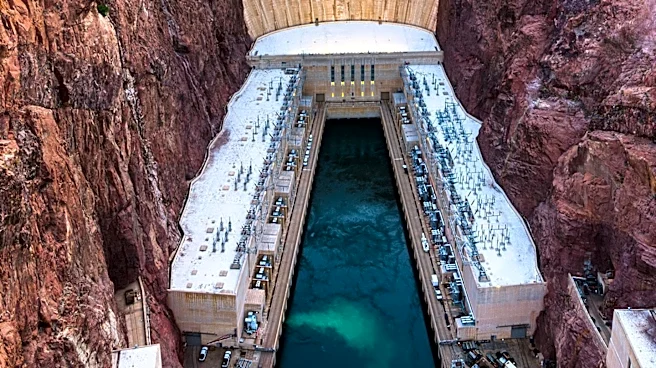
The Klamath Basin faces significant irrigation challenges, with water managers warning of reduced water deliveries. The situation mirrors broader water management issues in the Colorado River Basin, where reservoirs are at historic lows. The drought highlights the need for sustainable water management practices and raises concerns about long-term water availability in the region.
Why It's Important?
The drought declaration underscores the urgent need for effective water management strategies in Oregon and the broader American West. With climate change contributing to more frequent and severe droughts, states must adapt to ensure water security for agriculture, businesses, and communities. The situation in Southern Oregon reflects a larger trend of aridification, necessitating policy changes and investments in water infrastructure. Addressing these challenges is critical for maintaining agricultural productivity, supporting local economies, and ensuring the resilience of water systems in the face of climate change.
Beyond the Headlines
The drought in Southern Oregon is part of a broader narrative of water scarcity in the American West. As climate patterns shift, traditional water management practices may no longer suffice. The situation calls for innovative solutions, such as water recycling, conservation measures, and investments in infrastructure to capture and store water more efficiently. Additionally, the drought raises ethical questions about water allocation, particularly between agricultural and urban needs. Policymakers must navigate these complex issues to develop equitable and sustainable water management strategies.