





What's Happening?
The U.S. Space Force (USSF) is actively working to increase its personnel and capabilities to support various combatant commands, including Central Command (Centcom). Chief of Space Operations Gen. Douglas Schiess emphasized the need to enhance the service's
arsenal and capacity to defend against space-enabled attacks and provide critical space capabilities for joint force operations. This expansion includes integrating Guardians at scale within combatant commands and acquiring new technologies. Brig. Gen. Todd Benson, commander of Space Forces Central (SPACECENT), indicated that his team, which oversees American military operations in the Middle East, is expected to grow fivefold in the coming years. The Space Force aims to provide essential services such as communications, precision navigation and timing (PNT), missile warning, and offensive and defensive operations.
Why It's Important?
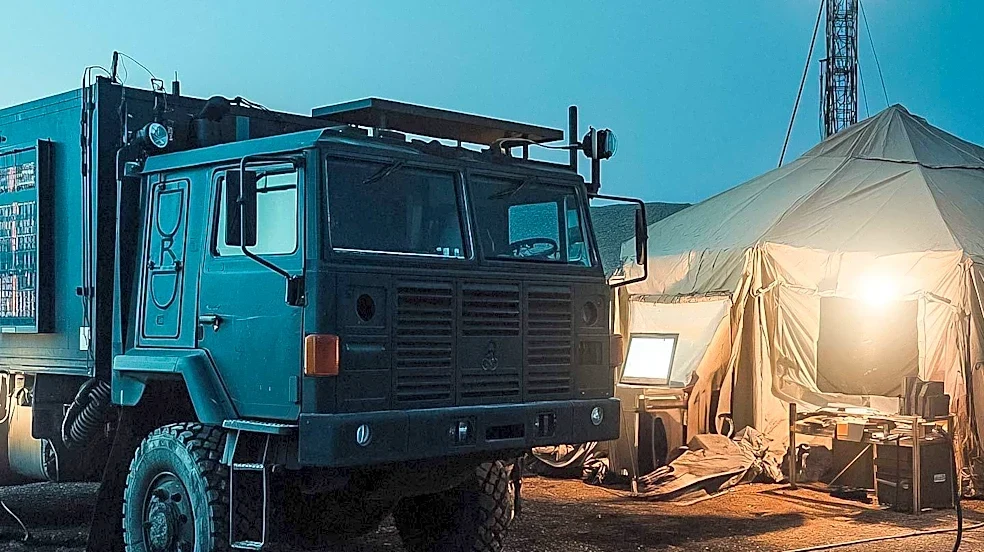
This planned expansion signifies a strategic shift in how the U.S. military views and utilizes space capabilities. Historically, space assets were seen as a supporting role, but now they are becoming integral to all major military operations. The increased presence of Guardians and advanced space systems, including ground-based jamming systems and orbital assets, will enhance the joint force's lethality and ability to achieve space superiority. This move is crucial for maintaining a technological edge over adversaries and ensuring the protection of U.S. space assets while also being able to deny, disrupt, or destroy enemy space capabilities. The integration of space expertise directly into combatant commands ensures that space effects like electronic warfare and satellite communications are fully operationalized across all domains of modern warfare.
What's Next?
The U.S. Space Force anticipates a substantial increase in its personnel and technological inventory over the next few years. Brig. Gen. Todd Benson expects SPACECENT to grow fivefold within approximately three years, aiming for a steady-state headquarters staff structure. The service is also looking to acquire up to 56 Meadowlands satellite jamming systems to be dispersed globally. Furthermore, the Space Force plans to leverage artificial intelligence and machine learning to process vast amounts of data from sensors and collectors, enabling more actionable intelligence. This ongoing development and integration of advanced capabilities will continue to refine how the Space Force generates, embeds, and sustains combat-effective Guardians and capabilities across the Joint Force, ensuring space remains a critical domain for U.S. military operations.
Beyond the Headlines
The significant expansion of the U.S. Space Force's presence and capabilities underscores a broader militarization of space, a trend that has drawn international attention and concern. While the U.S. emphasizes the defensive and offensive aspects of its space doctrine, other nations, such as China, have expressed warnings about a potential arms race in outer space. The integration of space capabilities into every military operation raises ethical and legal questions regarding the weaponization of space and the potential for conflict beyond Earth's atmosphere. The reliance on advanced technologies like AI for data analysis also highlights the increasing complexity and technological sophistication of modern warfare, pushing the boundaries of traditional military strategy and operations.