
What's Happening?
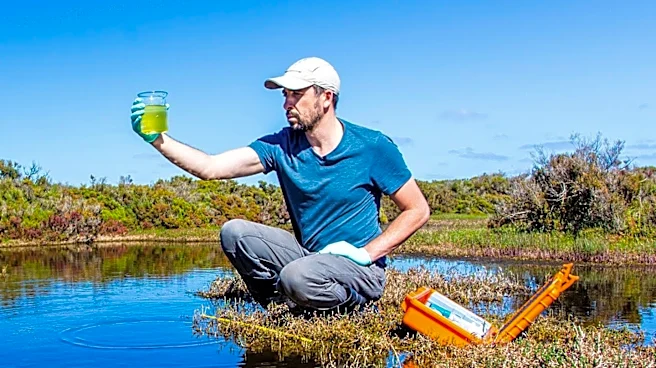
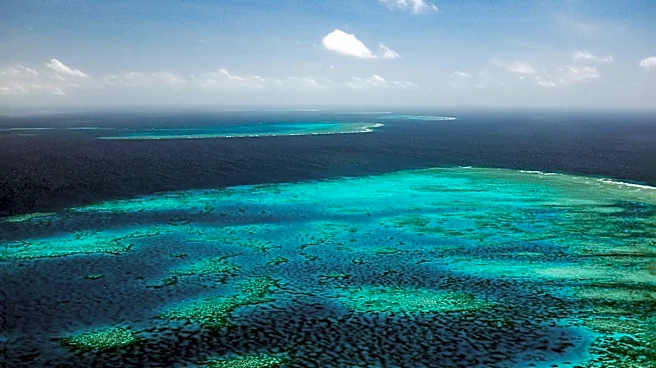
A comprehensive study led by the University of Queensland and the Australian Institute of Marine Science has documented the microbiome of the Great Barrier Reef's open waters. Researchers identified over
800,000 microbial genomes, including new bacterial species and viruses, using DNA from seawater samples across 48 reefs. This groundbreaking research provides a database for understanding how microbial communities contribute to reef health and respond to environmental changes. The study marks a significant advancement in marine biology, offering insights into the complex interactions within reef ecosystems.
Why It's Important?
The discovery of the Great Barrier Reef's microbiome is crucial for marine conservation efforts, as it enhances understanding of the ecological roles of microbes in reef health. This knowledge can inform strategies to mitigate the impacts of climate change, pollution, and other stressors on marine ecosystems. The database created by this study serves as a valuable resource for researchers worldwide, potentially leading to innovations in reef management and restoration. The findings underscore the importance of preserving biodiversity and the intricate balance of marine life.
Beyond the Headlines
The study's implications extend beyond immediate conservation efforts, offering a deeper understanding of microbial interactions that could influence global marine policies. The research highlights the potential for microbiome studies to revolutionize ecological monitoring and management practices. As scientists continue to explore microbial roles in marine environments, there may be opportunities to develop new biotechnological applications, such as bioindicators for environmental health. The study also raises ethical considerations about human impact on marine ecosystems and the need for sustainable practices.