










What's Happening?
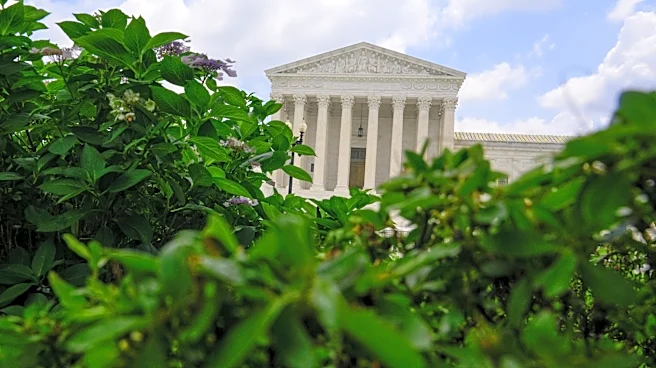
NPR recently faced a significant journalistic error when it incorrectly reported the retirement of Supreme Court Justice Samuel Alito. The report, authored by veteran Supreme Court reporter Nina Totenberg, was published based on a misunderstanding during
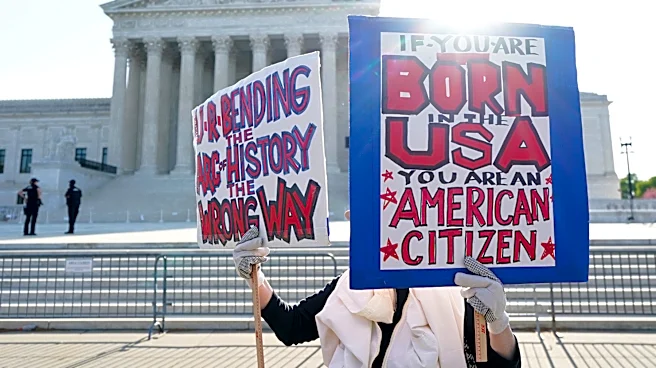
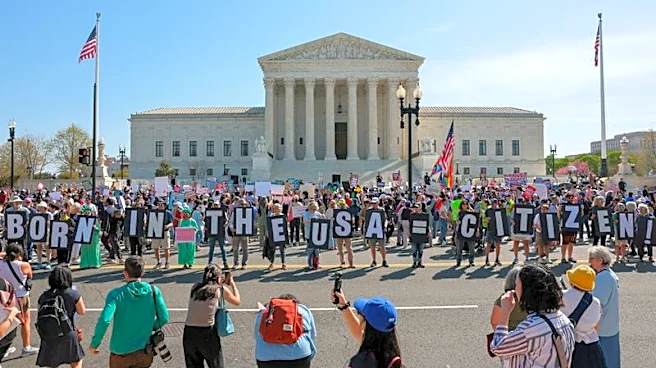
a Supreme Court announcement. NPR quickly retracted the story, issued a correction, and apologized for the mistake. The erroneous report was syndicated to numerous public-radio affiliates, leading to widespread dissemination before the retraction. This incident occurred amidst a day of significant Supreme Court rulings, including decisions on transgender athletes and President Trump's executive order on birthright citizenship. The error was attributed to a miscommunication and a lack of additional verification steps, as the report was based on an announcement rather than an anonymous source.
Why It's Important?
This incident highlights the challenges faced by traditional media outlets in maintaining journalistic standards in a fast-paced news environment. NPR's quick retraction and apology demonstrate a commitment to accuracy, yet the mistake underscores the pressures on media to be first with breaking news. The error also reflects broader issues of trust in media, as public confidence in traditional news sources continues to wane. The lack of significant backlash from outside the media industry suggests a shift in public expectations and tolerance for media errors. This scenario raises questions about the evolving role of mainstream media in an era dominated by digital platforms and alternative news sources.
What's Next?
NPR and other traditional media outlets may need to reassess their verification processes and editorial standards to prevent similar errors in the future. The incident could prompt discussions within the media industry about balancing speed with accuracy. Additionally, the broader media landscape may continue to evolve as audiences increasingly turn to digital and alternative news sources. This shift could influence how traditional media outlets engage with their audiences and adapt to changing expectations.
Beyond the Headlines
The NPR error reflects a deeper cultural shift towards skepticism and cynicism in media consumption. In a society where trust in institutions is declining, media errors may be perceived as less scandalous, contributing to a broader narrative of low trust. This environment challenges traditional media to uphold rigorous standards while navigating a landscape where misinformation and sensationalism are prevalent. The incident also highlights the potential for media missteps to be overshadowed by larger societal issues, such as significant Supreme Court rulings and political developments.