
What's Happening?
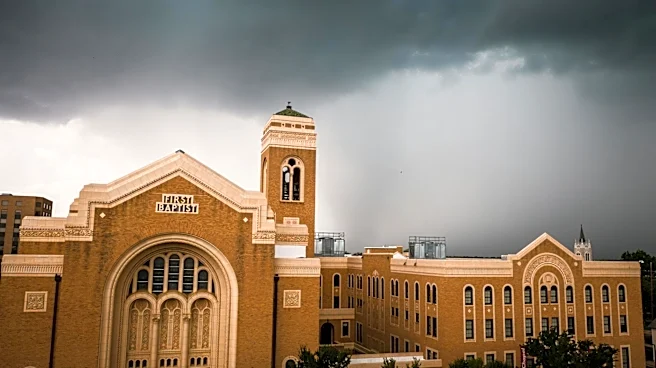
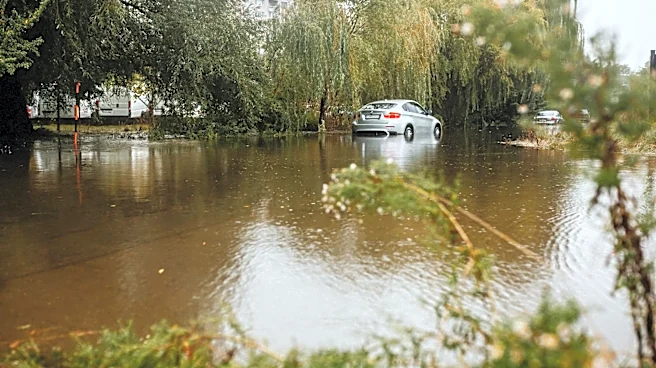
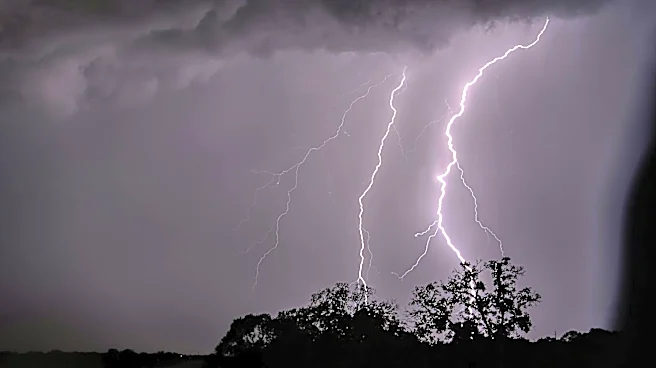
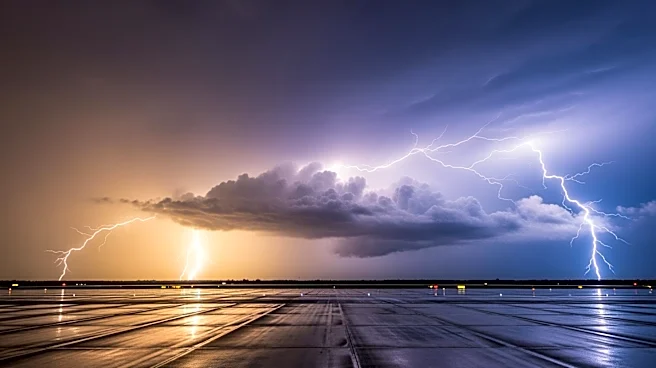
Severe weather conditions in Texas have led to significant disruptions in air travel, with hundreds of flights canceled or delayed. The storms have prompted flash flood warnings and school closures across
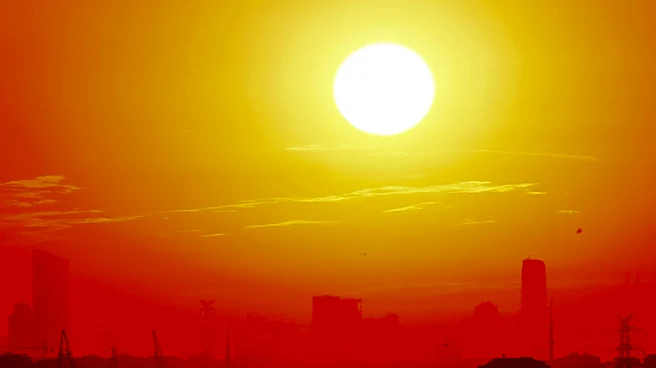
the state. At Dallas Fort Worth International Airport, nearly 150 flights were canceled or delayed on Wednesday, with an additional 700 delays reported on Tuesday. The Federal Aviation Administration (FAA) has issued a ground stop in Dallas and Love Field due to the adverse weather. The National Weather Service forecasts at least one inch of rain in North Texas from Wednesday through Friday, with isolated flooding expected, particularly on Thursday. Meanwhile, the north-east is experiencing the last day of a heatwave, with temperatures in New York City reaching 92°F in Central Park. A dramatic cooldown is anticipated as severe storms are expected to lower temperatures significantly.
Why It's Important?
The flight cancellations and delays in Texas highlight the vulnerability of air travel to severe weather conditions, impacting both passengers and airlines. The disruptions can lead to significant economic losses for airlines and inconvenience for travelers. Additionally, the extreme weather patterns, including the heatwave in the north-east, underscore the challenges posed by climate variability. The fluctuating temperatures have affected agriculture in the region, with plants experiencing stress from the rapid changes. This situation emphasizes the need for adaptive strategies in both transportation and agriculture to mitigate the impacts of such weather extremes.
What's Next?
As the storms continue, further flight disruptions are possible, and travelers are advised to check with airlines for updates. The National Weather Service will continue to monitor the situation, providing updates on weather conditions and potential flooding. In the north-east, the anticipated cooldown may offer temporary relief from the heat, but the region remains on alert for further weather fluctuations. Authorities in affected areas may implement additional measures to manage the impact on infrastructure and public safety.
Beyond the Headlines
The ongoing weather disruptions in Texas and the north-east highlight broader concerns about climate resilience and infrastructure preparedness. The ability of airports and transportation systems to handle extreme weather events is crucial for minimizing economic and social impacts. Additionally, the agricultural sector must adapt to the increasing frequency of temperature swings to ensure food security. These events may prompt discussions on policy measures to enhance climate adaptation strategies across various sectors.