


What's Happening?
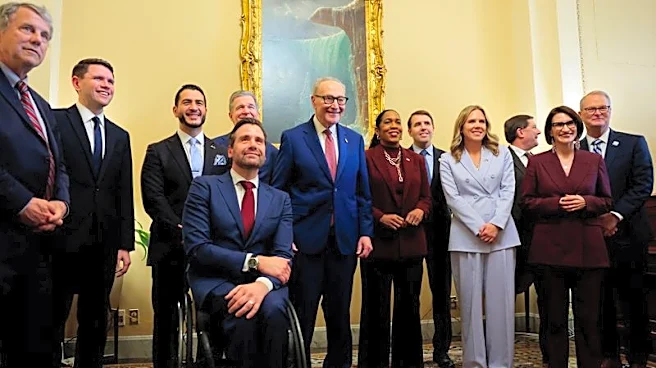
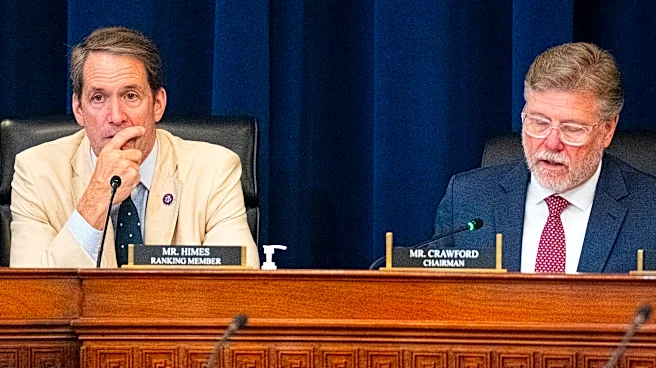
Democrats are expected to significantly expand their oversight powers, targeting not only the White House but also various corporations and industries. The scope of these potential congressional inquiries is vast, encompassing areas from political donations
and White House construction to defense contracting, data centers, immigration contracts, cryptocurrency, and prediction markets. According to Mark Lee Greenblatt, a former congressional investigator, companies often default to commercial litigation or criminal defense counsel, which may be ill-suited for the unique nature of congressional investigations. These probes differ significantly from corporate litigation and criminal proceedings in their rules, processes, and outcomes. Committee staff play a crucial role, often driving inquiries, preparing document requests and subpoenas, leading witness interviews, and drafting reports. Unlike judicial discovery, congressional inquiries are a one-way street, requiring subjects to provide materials without reciprocal discovery or an independent judge to rule on objections. Attorney-client privilege, while generally sacrosanct in litigation, is not always recognized as a constitutional limitation by congressional committees, which may exercise discretion in honoring such claims.
Why It's Important?
The anticipated surge in congressional investigations carries significant implications for U.S. businesses and industries. Companies that fail to engage specialized legal counsel familiar with congressional procedures risk severe disadvantages. The lack of reciprocal discovery means that subjects of an inquiry may not know what information the committee has, making it difficult to mount an effective defense. Furthermore, the discretionary nature of attorney-client privilege in congressional settings could expose sensitive corporate communications that would typically be protected in other legal contexts. The intense, politically charged environment of congressional hearings, designed to generate headlines and score political points, can be particularly challenging for witnesses. This environment demands counsel experienced in preparing witnesses to navigate rapid shifts in subject matter, misleading premises, and questions aimed at political theater rather than factual discovery. The outcome of these investigations could lead to new regulations, public scrutiny, and reputational damage for implicated companies and industries.
What's Next?
Companies and trade associations that anticipate being subjects of congressional inquiries should proactively seek legal counsel with deep expertise in Capitol Hill procedures, key personnel, and committee practices. This preparation is crucial for effectively managing document production, witness testimony, and negotiations regarding attorney-client privilege. Legal teams will need to focus on understanding the specific rules and powers of each committee, as these can vary significantly, including subpoena authority and the ability to disqualify witness lawyers. The emphasis will be on strategic engagement with committee staff and members to protect client interests in an environment that prioritizes oversight and political objectives over traditional legal due process. The increased scrutiny could also prompt industries to review their internal compliance and lobbying practices to mitigate future risks.
Beyond the Headlines
The expansion of congressional oversight reflects a broader trend of increased governmental scrutiny over corporate and industry practices, potentially signaling a shift in the balance of power between the legislative branch and the private sector. This development could lead to a more politicized legal landscape for businesses, where public perception and political agendas heavily influence investigative outcomes. The unique procedural aspects of congressional probes, such as the limited recognition of attorney-client privilege and the absence of independent judicial oversight, raise fundamental questions about due process and fairness in the context of legislative investigations. This could prompt calls for reforms to standardize congressional investigative procedures or to establish clearer protections for witnesses and subjects. Ultimately, the effectiveness of these probes in achieving their stated goals of accountability and transparency will depend on the expertise of both congressional investigators and the specialized legal counsel engaged by those under investigation.