







What's Happening?
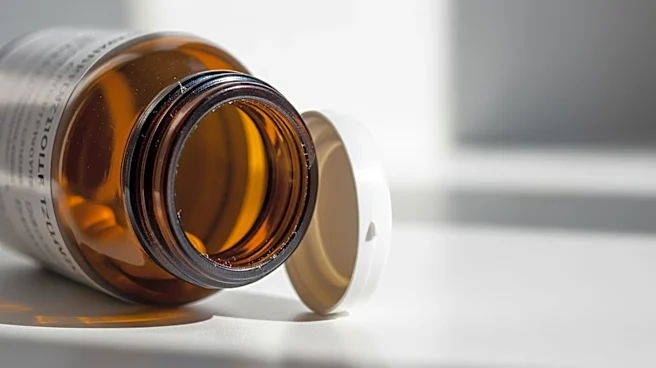
Vitaquest International, a New Jersey-based company, has initiated a voluntary recall of approximately 356,140 dietary supplements due to packaging issues that pose a significant risk to children. The U.S. Consumer Product Safety Commission announced
that the packaging of these supplements, which contain iron, fails to meet the child-resistant standards required by the Poison Prevention Packaging Act. This oversight could lead to serious injury or death if young children ingest the contents. The recall affects a range of products, including prenatal vitamins and supplements for bariatric surgery patients, as well as the Zenbean Kids Café Instant Coffee + Nutrition Latte. These products were sold under various brands such as Arey, Bari Life, Bird&Be, and others, through multiple retail and online platforms between April 2023 and February 2026.
Why It's Important?
The recall underscores the critical importance of child-resistant packaging in preventing accidental poisoning among children. Iron supplements, in particular, can be extremely dangerous if ingested in large quantities by young children, leading to severe health consequences or even fatalities. This incident highlights the need for stringent compliance with safety regulations to protect vulnerable populations. The recall also impacts consumers who have purchased these products, as they must now take steps to ensure the safety of their households. Retailers and manufacturers are reminded of their responsibility to adhere to safety standards to prevent such risks.
What's Next?
Consumers are advised to immediately store the affected supplements out of children's reach and contact Vitaquest International for a free child-resistant replacement cap or storage pouch. The company has emphasized that the recall is solely due to packaging concerns, with no issues related to the product formulation or ingredient quality. Moving forward, Vitaquest and other manufacturers may face increased scrutiny from regulatory bodies to ensure compliance with safety standards. This incident could also prompt a review of packaging practices across the industry to prevent similar occurrences.