





What's Happening?
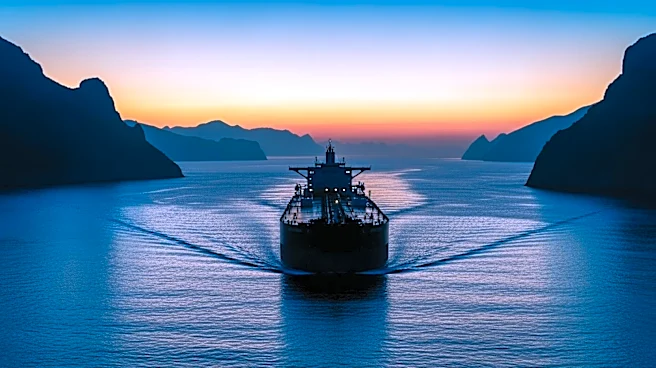
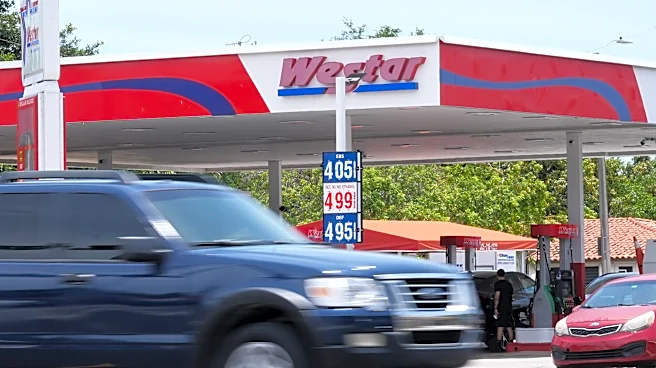
The recent US-Iran conflict has led to a significant increase in oil prices, reminiscent of the 2022 energy crisis. With the Strait of Hormuz blocked, oil prices have surged, impacting European drivers who are experiencing higher fuel costs. Transport
& Environment (T&E) suggests that EU governments can implement immediate demand-side measures to alleviate the financial burden on drivers. These measures include promoting remote work, enforcing lower speed limits, and encouraging eco-driving practices. While these actions offer short-term relief, the long-term solution lies in transitioning to electric vehicles.
Why It's Important?
The spike in oil prices highlights the vulnerability of economies heavily reliant on fossil fuels. For the EU, this situation underscores the urgent need to diversify energy sources and reduce dependence on imported oil. Implementing the suggested measures can provide immediate financial relief to consumers and contribute to energy security. Moreover, this scenario emphasizes the importance of accelerating the shift towards electric vehicles, which can offer a more sustainable and stable energy future. Policymakers are encouraged to balance short-term actions with long-term strategies to ensure economic resilience.
What's Next?
EU governments are expected to consider and potentially implement the proposed measures to mitigate the impact of rising oil prices. This includes encouraging flexible work arrangements, enforcing speed limits, and investing in public transport. Additionally, there is likely to be increased focus on policies that support the adoption of electric vehicles, as they represent a long-term solution to energy security and environmental concerns. The ongoing situation may also prompt further discussions on energy policy and the need for sustainable alternatives to fossil fuels.