
What's Happening?
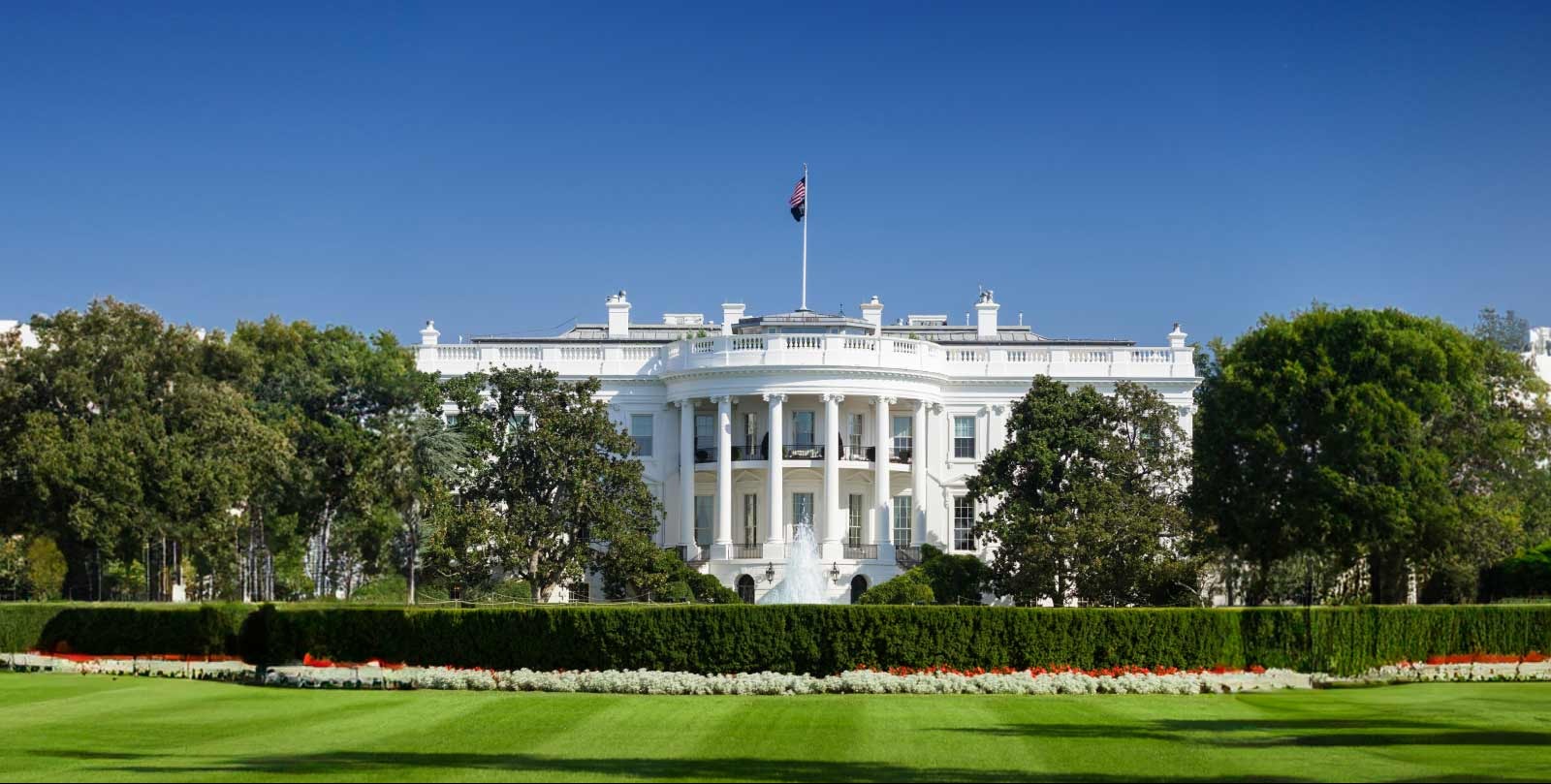
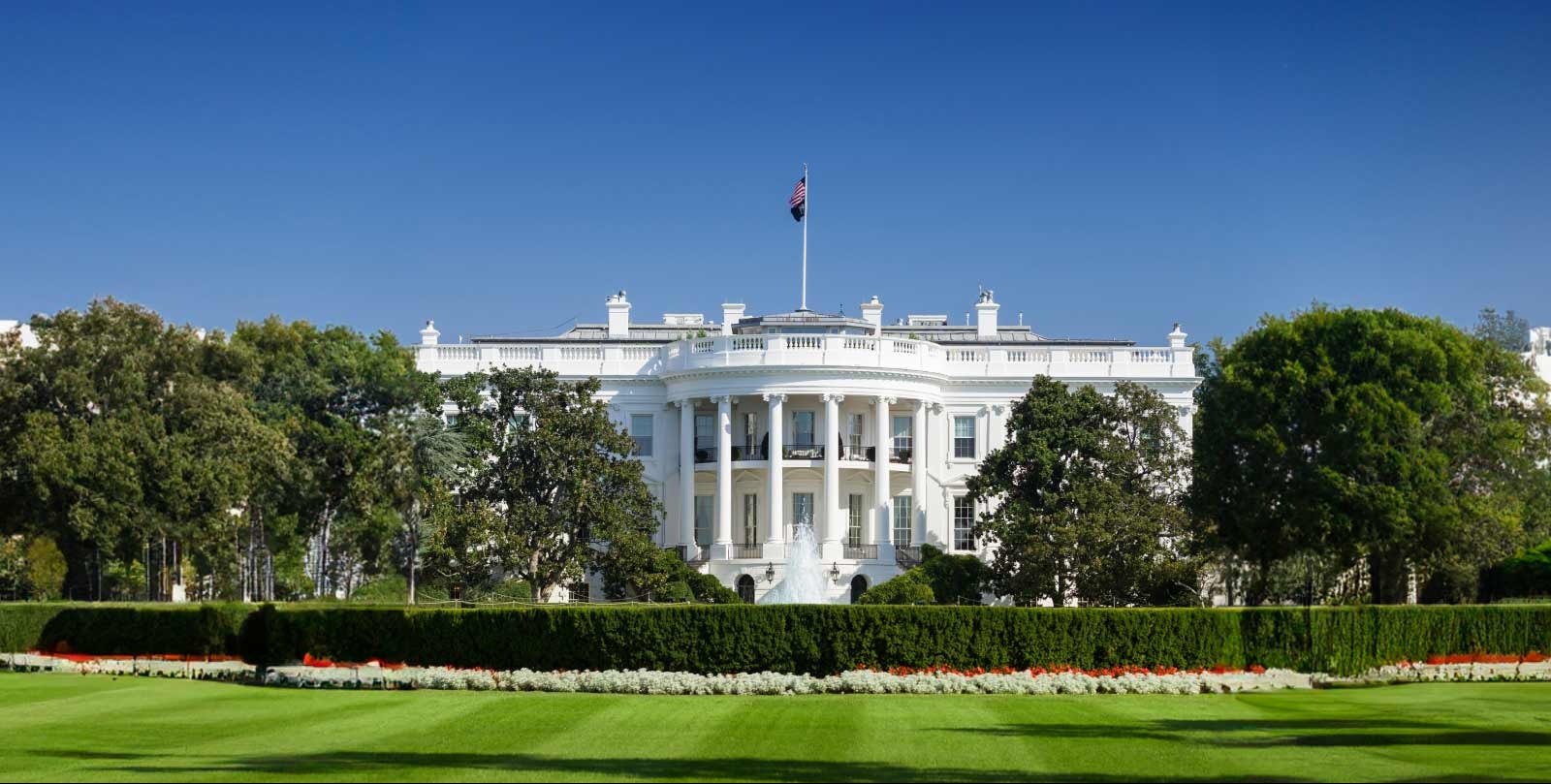
The White House, through Press Secretary Karoline Leavitt, threatened legal action against CBS if an interview with President Trump was not aired in full. This demand was communicated to CBS Evening News anchor Tony Dokoupil and executive producer Kim
Harvey. The interview, which was taped earlier, included a directive from President Trump to ensure the interview was broadcast unedited. CBS News had already planned to air the interview in its entirety, as stated in their official response. This incident follows a previous lawsuit by President Trump against CBS over a 60 Minutes interview with Kamala Harris, which was settled for $16 million. The lawsuit alleged deceptive editing practices, although legal experts had anticipated its dismissal due to industry norms.
Why It's Important?
This development underscores the ongoing tensions between the media and political figures, particularly concerning the portrayal and editing of interviews. The White House's threat of legal action highlights the administration's sensitivity to media representation and its willingness to engage in legal battles to control narratives. For CBS, this situation reflects the challenges media organizations face in maintaining editorial independence while navigating potential legal repercussions. The previous lawsuit settlement with CBS indicates the financial and reputational stakes involved in such disputes. This incident may influence how media outlets handle high-profile political interviews in the future, potentially affecting journalistic practices and freedom.
What's Next?
The airing of the interview as planned by CBS may prevent immediate legal action, but the situation could set a precedent for future interactions between the media and the White House. Media organizations might become more cautious in their editorial decisions, especially when dealing with politically sensitive content. The outcome of this incident could also impact the strategies of other networks in handling similar situations, possibly leading to more stringent internal policies regarding interview editing and broadcasting. Additionally, the public and media watchdogs may closely monitor the relationship between the White House and media outlets, advocating for transparency and accountability.