
What's Happening?
The U.S. Senate has passed a $901 billion defense authorization bill for fiscal year 2026, which includes significant reforms to the nation's defense acquisition processes. The bill aims to streamline
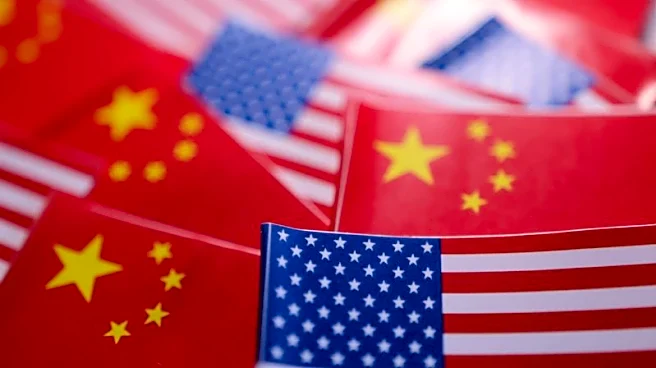
and improve the efficiency of military procurement and development. Additionally, it authorizes military aid for Ukraine, Israel, Taiwan, Iraq, and other allies, reflecting a strategic focus on strengthening international partnerships. The legislation also includes measures to reverse certain policies from the Biden administration, particularly in areas related to military grooming standards and the use of Chinese parts in defense products. The Department of Defense is urging companies in the defense industrial base to prepare for a 2027 deadline that mandates their products be free of parts from specific Chinese companies.
Why It's Important?
The passage of this defense bill is crucial as it sets the framework for U.S. military spending and strategic priorities in the coming years. The acquisition reforms are expected to enhance the efficiency and effectiveness of defense procurement, potentially leading to faster deployment of new technologies and capabilities. The military aid provisions underscore the U.S. commitment to supporting allies and deterring aggression from adversaries like Russia and China. The focus on eliminating Chinese parts from defense products highlights ongoing concerns about supply chain security and geopolitical tensions. These changes could have significant implications for defense contractors and international relations.
What's Next?
As the bill moves forward, defense contractors will need to adjust their supply chains to comply with the new requirements regarding Chinese parts. The Department of Defense will likely issue further guidance to ensure smooth implementation of the acquisition reforms. Additionally, the military aid provisions will require coordination with international partners to effectively deploy resources and support allied forces. The Senate's approval sets the stage for potential debates and adjustments in the House of Representatives before the bill can be signed into law.