
What's Happening?
Syngenta, a Swiss chemical company, has announced it will stop selling the herbicide paraquat in Australia. This decision follows new regulations imposed by the Australian Pesticides and Veterinary Medicines
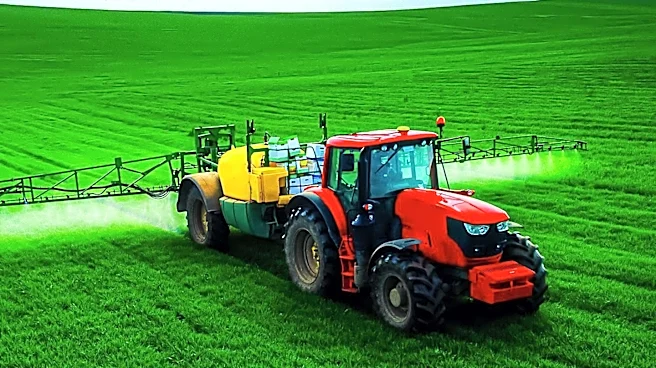
Authority (APVMA) aimed at addressing acute exposure risks and animal safety. Paraquat, linked to Parkinson's disease, is banned in over 70 countries and has been prohibited in the European Union since 2007. Despite its ban in domestic settings, it remains widely used in Australian agriculture. The APVMA's new rules include phasing out backpack sprayers, mandating additional protective equipment, and reducing the maximum application rate per hectare. Syngenta cited these regulatory constraints and an increasingly expensive supply chain as reasons for the product's commercial unviability.
Why It's Important?
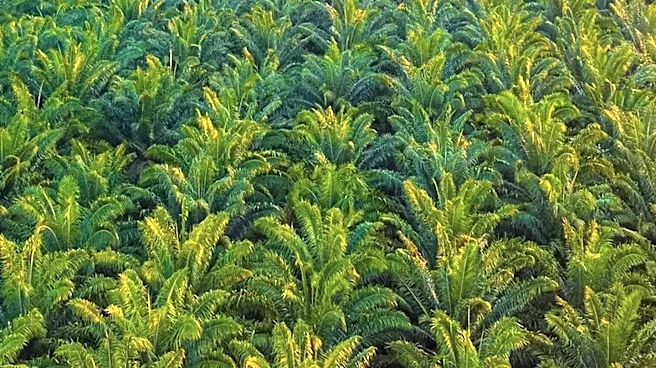
The withdrawal of paraquat from the Australian market highlights the growing global scrutiny of chemical products linked to health risks. This move could influence regulatory bodies in other countries to reevaluate the safety of similar products. For Australian farmers, particularly those in grain, sugarcane, and cotton industries, the decision raises concerns about the availability of effective herbicides, potentially impacting crop management and productivity. The situation underscores the tension between agricultural needs and public health safety, prompting a reevaluation of chemical use in farming practices.
What's Next?
As Syngenta phases out paraquat, Australian farmers may need to seek alternative herbicides, potentially leading to increased costs or changes in crop management strategies. The APVMA's decision could prompt other countries to reassess their regulations on paraquat and similar chemicals. Additionally, the agricultural sector may see a push towards developing safer, more sustainable pest control methods. Stakeholders, including farmers and environmental groups, are likely to engage in discussions about balancing agricultural efficiency with health and environmental safety.