




What's Happening?
Students from Boston University's EE552 CAS BU class in the Department of Earth and Environment have developed a policy proposal aimed at combating gentrification in East Boston. This initiative is part of a broader publication titled 'Searching for Just
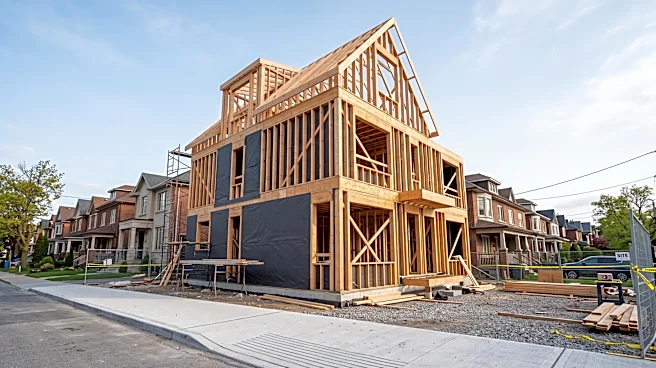
and Effective Solutions,' where students address various environmental and societal problems. The proposal specifically targets the complex issue of gentrification, which is characterized by a shift in the demographic and economic power of a suburb, rather than superficial improvements. Gentrification typically involves a long-term transformation, often starting with individuals seeking affordability and proximity to urban centers, leading to increased renovation, improved retail, and a rise in owner-occupancy. The student's work highlights the ripple effect of gentrification, where rising costs in one desirable area push buyers into adjacent, more affordable neighborhoods with similar amenities.
Why It's Important?
The student-led policy proposal is significant because it addresses a critical urban issue with far-reaching social and economic implications for U.S. cities. Gentrification often leads to displacement of long-term residents, particularly those from lower-income brackets and minority communities, as property values and living costs increase. This can disrupt established community networks, cultural heritage, and local economies. The proposal from Boston University students signifies an academic effort to contribute practical solutions to a problem that many urban areas across the U.S. are grappling with. Such initiatives can inform local policymakers and community organizations, offering new perspectives and strategies to mitigate the negative impacts of gentrification and promote more equitable urban development. The focus on East Boston also underscores the localized nature of gentrification, requiring tailored solutions.
What's Next?
The immediate next steps for this policy proposal would likely involve its dissemination among local government officials, community advocacy groups, and urban planning departments in Boston. The students or their faculty might present their findings and recommendations to relevant city councils or neighborhood associations in East Boston. This could lead to discussions about incorporating elements of their proposal into existing or new urban development plans. Furthermore, the publication 'Searching for Just and Effective Solutions' could serve as a platform for continued academic engagement and public discourse on gentrification and other environmental challenges. The success of such proposals often depends on their ability to gain traction with stakeholders who have the power to implement policy changes, as well as ongoing community support and advocacy.
Beyond the Headlines
Beyond the immediate policy implications, this student initiative touches upon deeper ethical and social justice dimensions of urban development. Gentrification often raises questions about who benefits from urban growth and who bears its costs, highlighting inequalities in access to housing, resources, and opportunities. The proposal implicitly challenges the notion that urban 'improvement' is universally beneficial, urging a more nuanced approach that considers the well-being of all residents. It also underscores the role of academic institutions in addressing real-world problems and fostering civic engagement among students. The long-term impact could be a shift towards more community-centric urban planning models that prioritize affordability, diversity, and social equity, potentially influencing how other U.S. cities approach similar challenges. This academic work contributes to a broader national conversation about sustainable and inclusive urban futures.