

What's Happening?
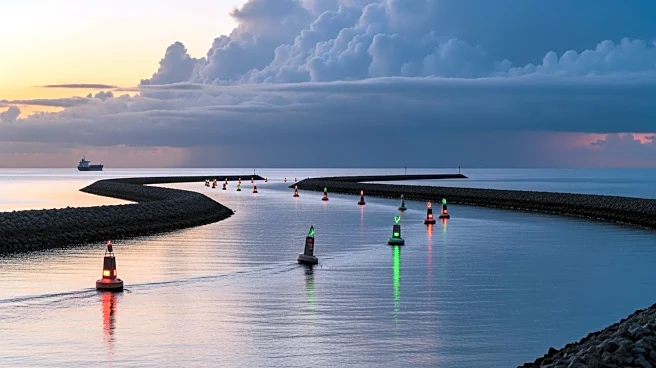
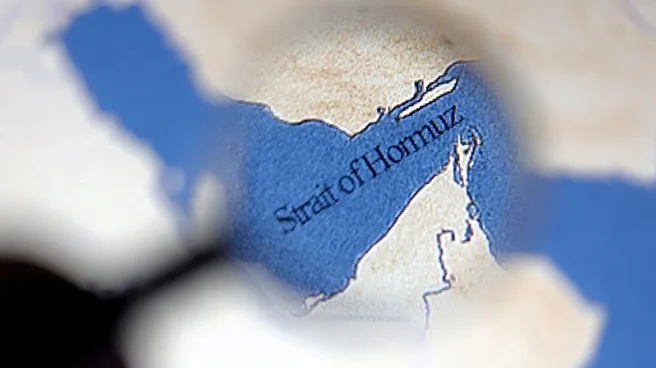
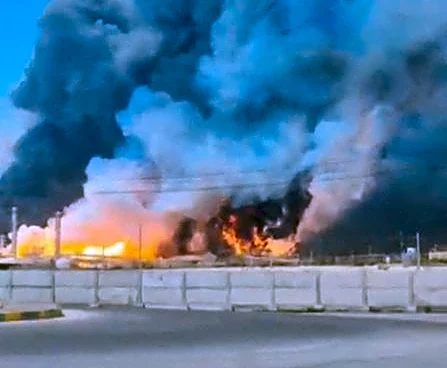
Several European nations and Japan have announced their commitment to join efforts aimed at reopening the Strait of Hormuz, which has been effectively closed due to the ongoing conflict involving Iran. The closure has led to soaring energy prices, prompting
major economies to seek ways to stabilize the market. The joint statement from countries including Britain, France, Germany, Italy, the Netherlands, and Japan emphasizes the need for safe passage through the strait and calls for a moratorium on attacks on civilian infrastructure. The International Energy Agency has also authorized a coordinated release of strategic petroleum reserves to counter rising prices.
Why It's Important?
The closure of the Strait of Hormuz, a critical chokepoint for global oil and gas flows, has significant implications for energy security and economic stability. The resulting spike in energy prices affects not only consumer costs but also broader economic growth prospects. The commitment from European nations and Japan to stabilize energy markets reflects the urgent need for international cooperation in addressing these challenges. The situation underscores the interconnectedness of global energy markets and the potential for geopolitical conflicts to disrupt supply chains and impact economies worldwide.
What's Next?
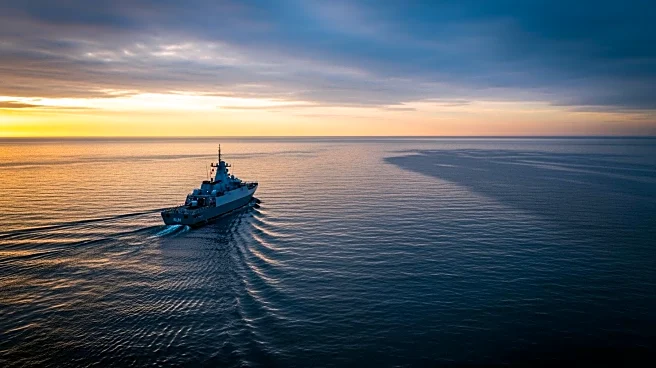
Efforts to reopen the Strait of Hormuz will likely involve diplomatic negotiations and potential military cooperation to ensure safe passage for energy shipments. The international community may also explore alternative routes and sources to diversify energy supplies and reduce dependency on vulnerable chokepoints. The situation highlights the importance of strategic planning and investment in energy infrastructure to enhance resilience against geopolitical disruptions.