





What's Happening?
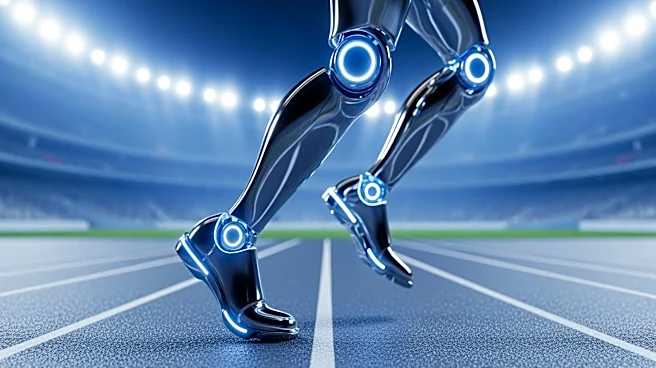
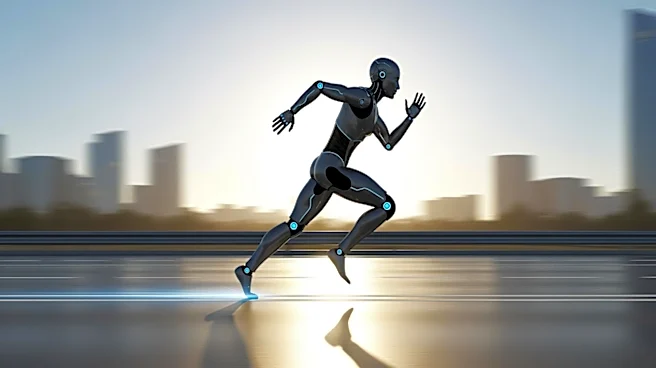
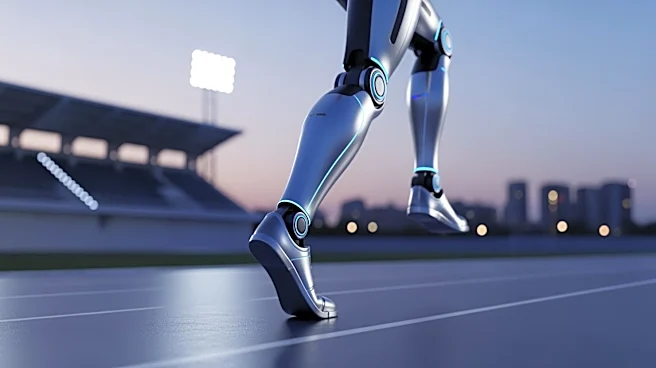
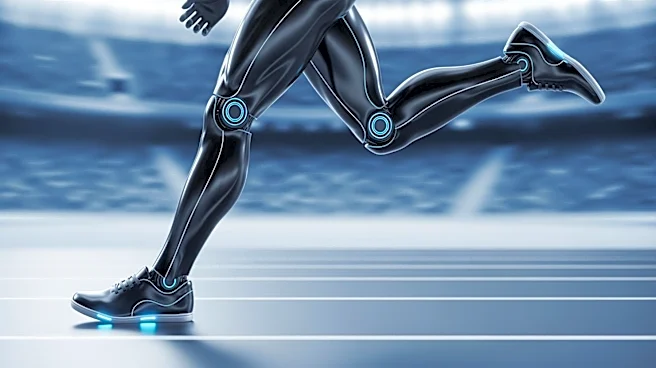
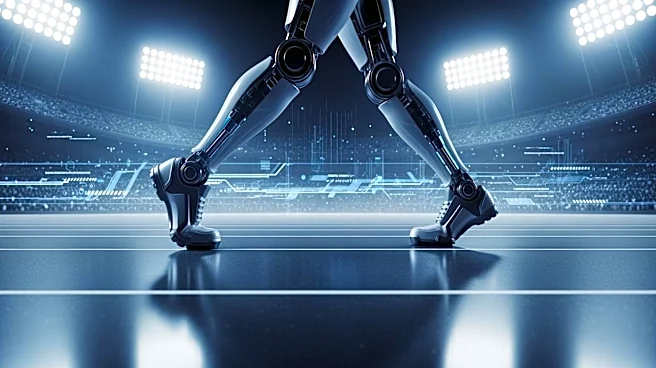
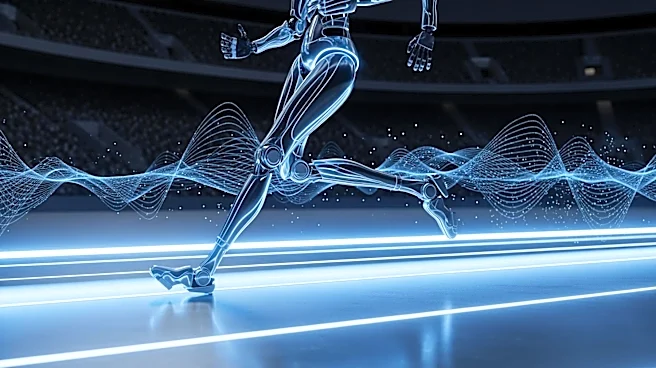
China recently hosted a half-marathon for humanoid robots in Beijing, where a robot developed by the Chinese smartphone and gadget maker Honor set a new record by completing the race in 50 minutes and 26 seconds. This time surpasses the human half-marathon world
record of 57 minutes and 20 seconds set by Uganda's Jacob Kiplimo. The event saw a significant increase in participation, with over 100 teams competing, compared to about 20 in the previous year. Despite the impressive performance, the race was marked by several technical mishaps. Videos shared on social media showed robots stumbling, crashing into barricades, and even breaking apart, providing a mix of technological achievement and comic relief. Engineers were seen running alongside the robots, attempting to manage these malfunctions.
Why It's Important?
The event underscores China's rapid advancements in robotics and artificial intelligence, highlighting the country's ambition to lead in these fields. The successful completion of the race by Honor's robot demonstrates significant progress in robotic mobility and endurance, which could have implications for various industries, including logistics and manufacturing. However, the technical mishaps also point to the challenges that remain in developing reliable humanoid robots. These incidents highlight the need for further refinement and testing before such robots can be deployed in real-world applications. The event also reflects the competitive landscape in robotics, with companies like Tesla acknowledging the potential of Chinese firms as significant rivals.
What's Next?
As China continues to invest in robotics, further developments and improvements in humanoid robot technology are expected. Future races may see even more advanced robots with fewer technical issues, as companies refine their designs and technologies. The global robotics industry will likely keep a close watch on these developments, as they could influence future innovations and applications. Additionally, the humorous mishaps from the race may prompt companies to focus on improving the reliability and safety of their robots, ensuring they can operate effectively in various environments.