




What's Happening?
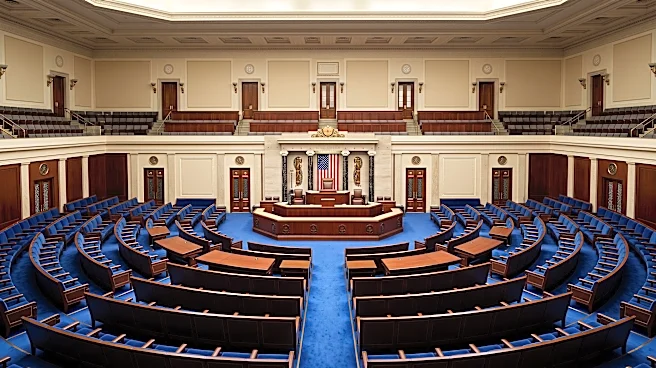
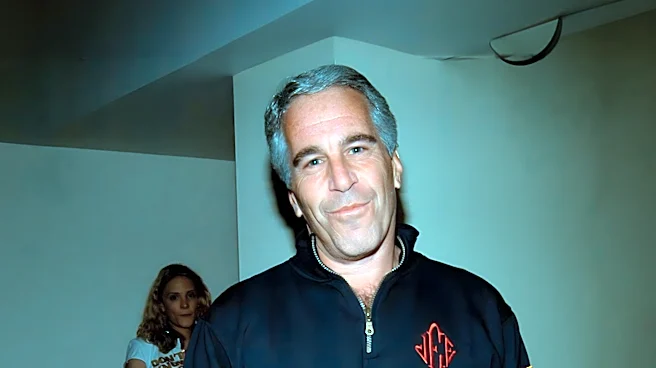
Former Apollo Global Management CEO Leon Black has filed a lawsuit against the House Oversight and Government Reform Committee, seeking to block subpoenas for his nondisclosure agreements (NDAs) and further testimony related to the committee's investigation
into his ties with Jeffrey Epstein. Black was scheduled to appear before the committee on Thursday but refused to do so. His attorneys argue that the requested NDAs are too broad, unrelated to his dealings with Epstein, and infringe upon the privacy of third parties. This refusal marks an escalation in the ongoing dispute between Black and the committee. Democrats on the panel, including Rep. Robert Garcia, have called for Black to be held in contempt of Congress immediately. Committee Chairman Rep. James Comer expressed disappointment and stated that while he supports holding Black in contempt, he wants to consult with the panel's lawyers to ensure the best approach for obtaining the NDAs and testimony.
Why It's Important?
This legal challenge and refusal to testify by Leon Black significantly impede the House Oversight Committee's investigation into Jeffrey Epstein's network and the potential complicity of powerful individuals. The committee's efforts to obtain NDAs are crucial for understanding the extent of Epstein's activities and whether these agreements were used to conceal or enable abuse. Black's actions raise questions about transparency and accountability for individuals connected to Epstein. The potential for a contempt of Congress charge highlights the seriousness of defying congressional subpoenas and the legislative branch's power to compel testimony and documents. This situation also underscores the broader societal demand for justice for Epstein's victims and the need to uncover the full scope of his illicit operations. The outcome of this legal battle could set a precedent for how congressional investigations can compel cooperation from private citizens, especially those with significant financial and legal resources.
What's Next?
The House Oversight Committee will now consult with its legal team and House counsel to determine the next steps, including the possibility of formally holding Leon Black in contempt of Congress. Chairman Comer indicated a desire to proceed carefully to avoid any missteps that could jeopardize the committee's ability to secure Black's testimony and the NDAs. Democrats on the panel are pushing for immediate contempt charges. Black's lawsuit will proceed, challenging the validity of the congressional subpoenas. This legal and political standoff is likely to continue, with potential for further court proceedings and increased pressure on Black to cooperate. The committee's ultimate goal remains to obtain the requested documents and testimony to shed light on Black's relationship with Epstein and any related activities.
Beyond the Headlines
The ongoing saga surrounding Leon Black and the House Oversight Committee delves into the complex interplay of wealth, power, and accountability. The use of NDAs by powerful individuals, particularly in cases involving allegations of misconduct, raises ethical and legal questions about their scope and potential to silence victims or obscure truth. This case highlights the challenges faced by legislative bodies when investigating individuals who possess significant resources to resist inquiries. It also brings to the forefront the public's demand for transparency and justice in high-profile cases involving sexual abuse and financial impropriety. The committee's pursuit of Black's NDAs could reveal broader patterns of behavior among the ultra-wealthy and their associates, potentially leading to discussions about legal reforms regarding NDAs and the enforcement of congressional oversight powers. The case serves as a stark reminder of the enduring impact of Jeffrey Epstein's crimes and the continued efforts to hold those connected to him accountable.