




What's Happening?
Illinois state and local election officials, including Sangamon County Clerk Don Gray and Illinois State Board of Elections spokesman Matt Dietrich, have affirmed the security and integrity of the state's voting system as early in-person and mail-in voting commences.
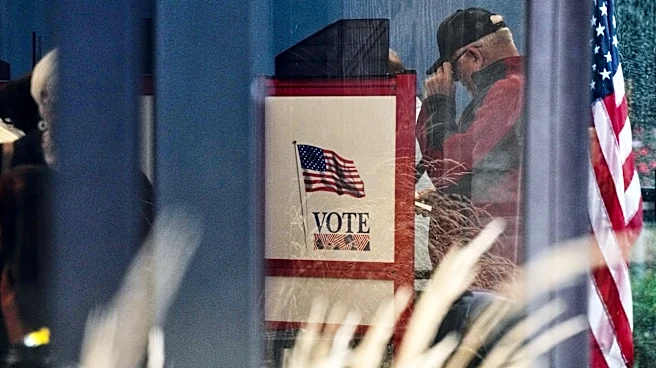
Speaking at a forum in Springfield, they addressed public concerns and dismissed claims of widespread fraud or vulnerability to hacking. Mail-in voting has seen a significant increase in popularity and is projected to account for up to one-third of all votes in the upcoming November 3 election. Illinois has successfully defended against multiple lawsuits from the Trump administration regarding access to voter registration data and control over mail-in voting, with states prevailing in these legal challenges. The U.S. Supreme Court's ruling in favor of the states allowed local election authorities in Illinois to mail out ballots to those who requested them, marking the official start of early voting.
Why It's Important?
The reassurances from Illinois election officials are crucial for maintaining public confidence in the democratic process, especially given the national discourse surrounding election integrity and the increased reliance on mail-in voting. The legal victories against the Trump administration's attempts to exert federal control over state election processes underscore the importance of states' rights in managing their elections and protecting voter data. The projected high volume of mail-in votes highlights a significant shift in voting patterns, which could have lasting implications for election administration and voter engagement. Ensuring the security of these systems is vital to prevent disinformation from undermining the legitimacy of election outcomes and to uphold the foundational principles of U.S. democracy.
What's Next?
As early voting continues in Illinois, election officials will focus on the secure processing of both in-person and mail-in ballots. The ongoing legal battles concerning voter registration data, despite states' previous successes, are expected to continue, potentially reaching the Supreme Court. Officials will also likely continue their efforts to educate the public on election safeguards and encourage participation in roles such as election judges to foster transparency. The experience gained from this election cycle, particularly with the increased volume of mail-in votes, will inform future election policies and procedures, potentially leading to further adjustments in how states manage their voting systems and address cybersecurity threats.
Beyond the Headlines
The emphasis on election security and integrity in Illinois reflects a broader national challenge to safeguard democratic institutions against disinformation and external interference. The legal confrontations between states and the Trump administration over election control highlight the delicate balance of power between federal and state governments in electoral matters. The growing trend of mail-in voting, while offering convenience and accessibility, also necessitates robust security measures and public trust. This shift could reshape voter participation demographics and political campaign strategies in the long term, making the integrity of these systems a critical component of future U.S. elections. The efforts to combat cyber threats, as demonstrated by Illinois's investment in 'cyber navigators' and secure internet networks, underscore the evolving nature of election security in the digital age.