




What's Happening?
Greece is experiencing a significant surge in West Nile virus cases, with the National Public Health Organization (EODY) reporting 110 cases, primarily in Attica. The virus has led to nine deaths, with many patients experiencing severe symptoms affecting
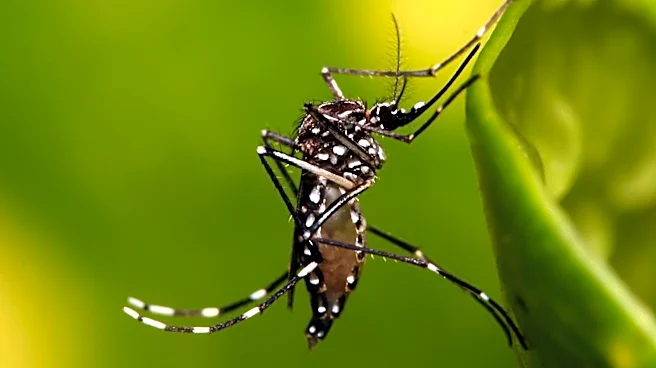
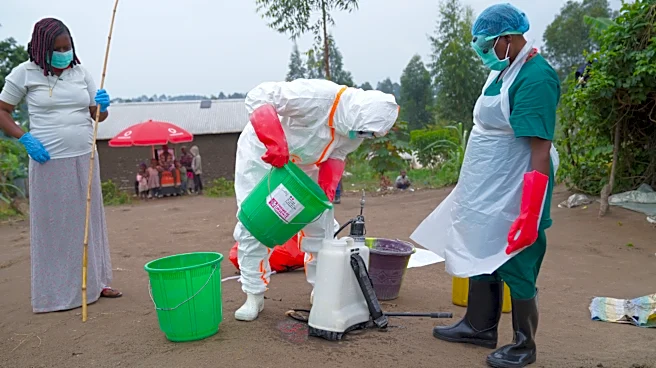
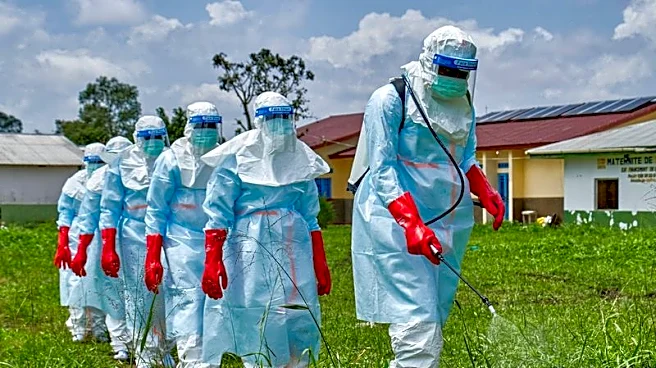
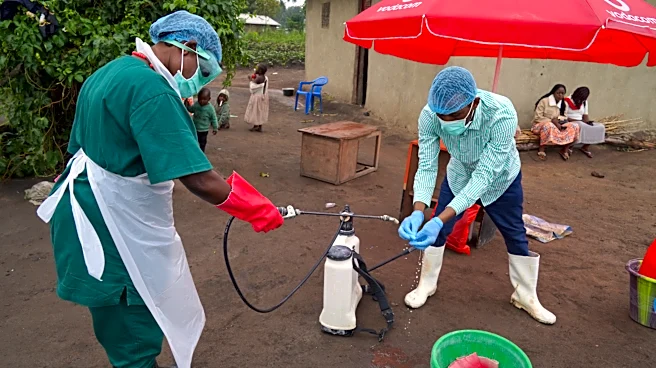
the central nervous system. The rapid increase in cases has prompted EODY to enhance mosquito-control programs and epidemiological surveillance. The organization emphasizes the need for ongoing vigilance and individual protection against mosquitoes, as the virus's spread is influenced by various factors.
Why It's Important?
The surge in West Nile virus cases in Greece highlights the ongoing public health challenges posed by mosquito-borne diseases. The situation underscores the importance of effective mosquito-control measures and public awareness to prevent further spread. The outbreak could have implications for public health policies and resource allocation in Greece and potentially other European countries. The increased cases also raise concerns about the virus's impact on vulnerable populations, particularly the elderly, who are more susceptible to severe symptoms.
What's Next?
EODY is likely to continue monitoring the situation closely, with a focus on enhancing mosquito-control efforts and public education. The organization may collaborate with international health bodies to address the outbreak and prevent future cases. The situation could lead to increased research and investment in mosquito-borne disease prevention and control. As the virus is now established in Greece, ongoing efforts will be necessary to manage its impact and protect public health.