
What's Happening?
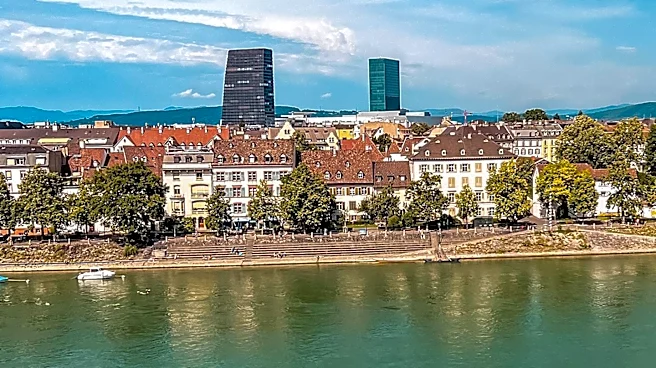
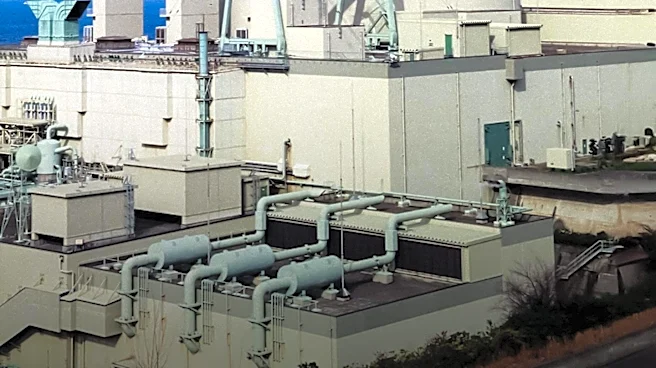
Europe is currently experiencing an intense heatwave, leading to record-breaking temperatures and severe drought conditions across multiple countries. The Danube and Rhine rivers have reached unprecedented low levels, significantly impacting nuclear cooling
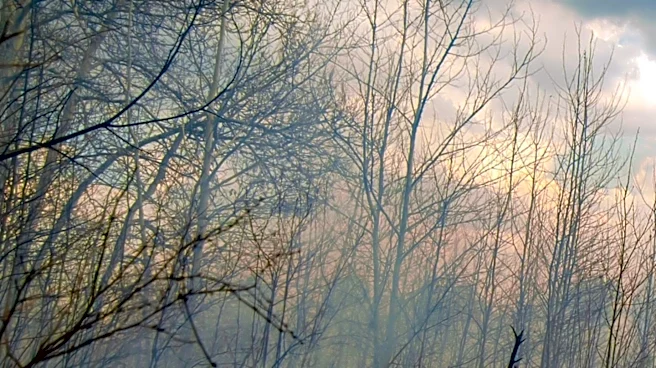
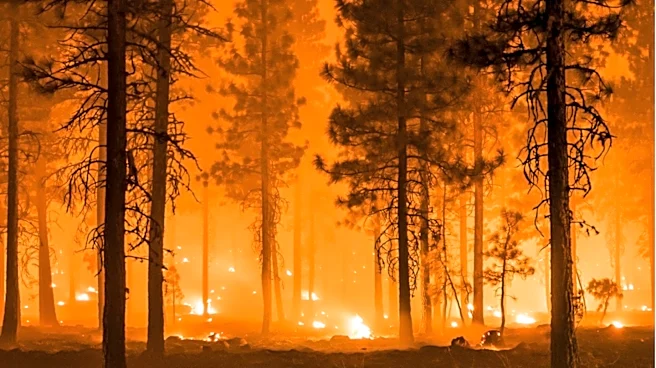
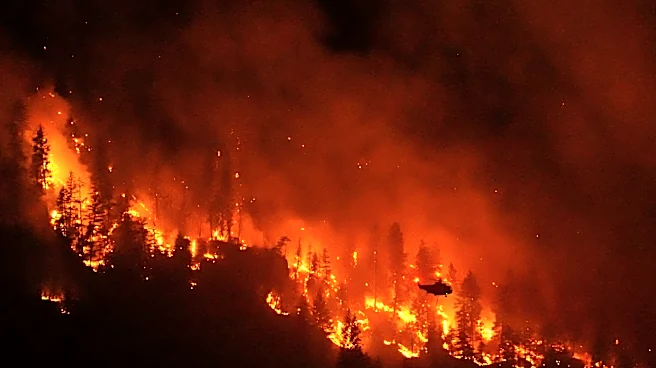
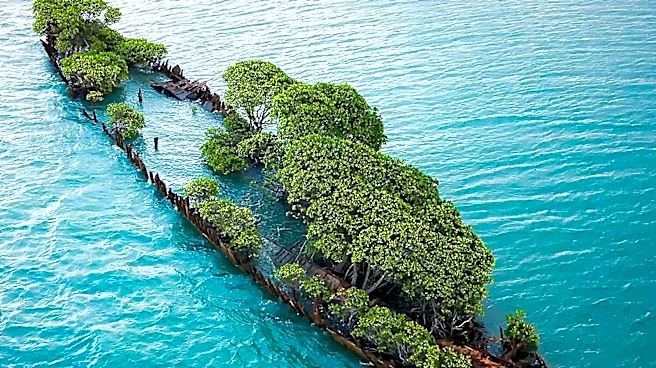
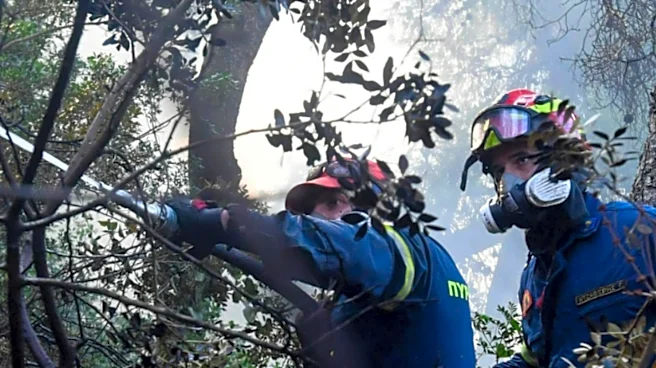
processes, hydroelectric power output, and inland fuel transport. In addition to these challenges, wildfires have devastated parts of France and Spain. The heatwave has also led to the emergence of historical artifacts, such as Nazi warships from World War II. Italy has placed all 27 of its major cities under the highest heat alert, and the extreme heat is linked to multiple deaths across the continent. Scientists attribute these extreme weather events to the human-driven climate crisis, which is making heatwaves longer and more intense.
Why It's Important?
The current heatwave in Europe highlights the growing impact of climate change on global weather patterns. The low water levels in major rivers like the Danube and Rhine are disrupting critical infrastructure, including power generation and transportation. This situation underscores the vulnerability of energy systems to climate-induced changes, potentially leading to energy shortages and increased costs. The emergence of historical artifacts due to low water levels also raises concerns about the preservation of cultural heritage. Furthermore, the widespread wildfires and heat-related fatalities emphasize the urgent need for comprehensive climate action to mitigate future risks and protect public health and safety.
What's Next?
As the heatwave continues, European governments and industries are likely to implement measures to conserve energy and manage water resources more effectively. This may include temporary shutdowns of power plants, restrictions on water usage, and increased reliance on alternative energy sources. Additionally, there may be increased pressure on policymakers to accelerate climate adaptation and mitigation strategies to address the root causes of such extreme weather events. The situation also presents an opportunity for international collaboration on climate resilience and sustainable development initiatives.
Beyond the Headlines
The current heatwave in Europe serves as a stark reminder of the broader implications of climate change, including its impact on historical and cultural sites. The exposure of World War II-era ships in the Danube River highlights the potential for climate change to reveal hidden aspects of history, prompting discussions about the preservation and documentation of such artifacts. Moreover, the heatwave's impact on agriculture and food security could have long-term economic and social consequences, particularly for regions heavily reliant on agriculture. This situation underscores the need for integrated approaches to climate adaptation that consider environmental, economic, and cultural dimensions.