
What's Happening?
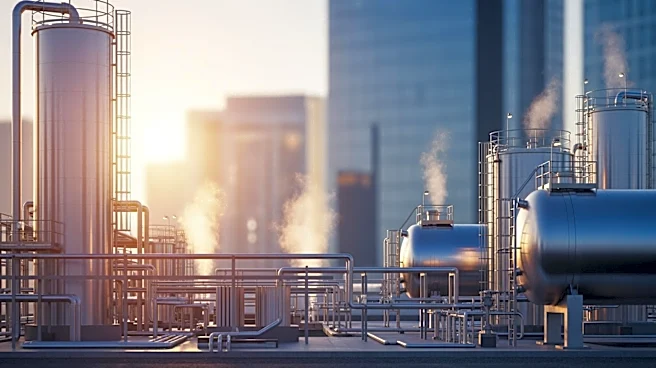
The Ministry of Economic Affairs & Climate in the Netherlands has designated RESiLICON's planned renewable-powered polysilicon facility in Farmsum, Groningen, as a strategic project under the EU's Net-Zero
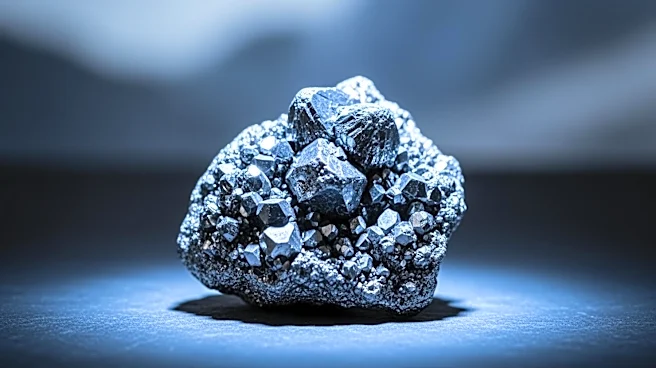
Industry Act (NZIA). This facility, with a targeted capacity of 13 GW, aims to produce polysilicon and silane using renewable energy and greener raw materials. The project has been recognized for its alignment with the EU's goals of expanding net-zero technologies, strengthening regional supply chains, and creating skilled jobs. The strategic tag under NZIA grants the project national priority status, facilitating rapid administrative treatment and faster permitting. RESiLICON has partnered with Dutch research institutions to co-develop next-generation manufacturing technologies and is currently entering the basic engineering phase.
Why It's Important?
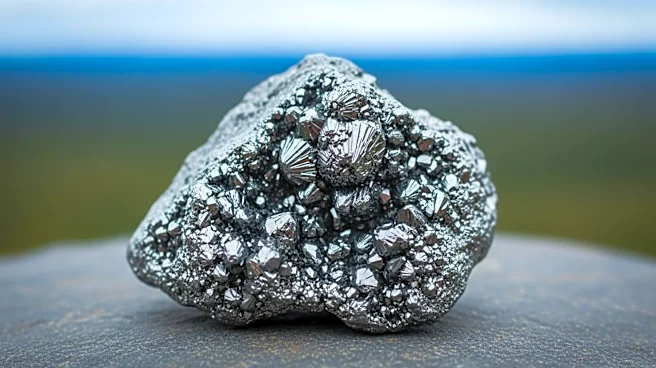
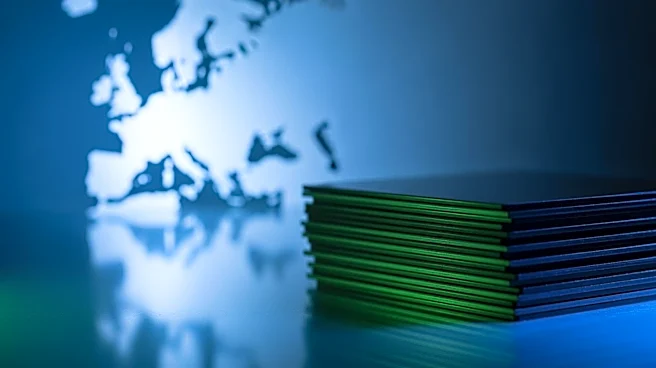
This development is significant as it represents a major step towards reducing Europe's reliance on foreign supply chains, particularly from China, which currently dominates global polysilicon production. By establishing a local production facility, the EU aims to secure its supply of high-quality materials necessary for the semiconductor and solar industries. The project also supports the EU's renewable energy targets and contributes to the creation of skilled jobs, thereby strengthening the region's economic resilience. The use of advanced technologies to reduce energy consumption in polysilicon production further underscores the project's commitment to sustainability and innovation.
What's Next?
RESiLICON is expected to proceed with the basic engineering phase of the project, leveraging its partnerships with Dutch research institutions to refine its manufacturing technologies. The strategic status under the NZIA will likely expedite the permitting process, allowing for quicker project implementation. As the facility becomes operational, it could significantly impact the European polysilicon market by providing a local, sustainable source of high-purity polysilicon. This may lead to increased competitiveness in the semiconductor and solar industries within Europe, potentially influencing global market dynamics.
Beyond the Headlines
The establishment of this facility could have long-term implications for Europe's energy independence and technological innovation. By reducing reliance on imports, the EU can enhance its strategic autonomy in critical industries. Additionally, the project's focus on sustainability and energy efficiency aligns with broader global efforts to combat climate change. The success of this initiative could serve as a model for other regions seeking to develop their renewable energy capabilities and secure their supply chains.