





What's Happening?
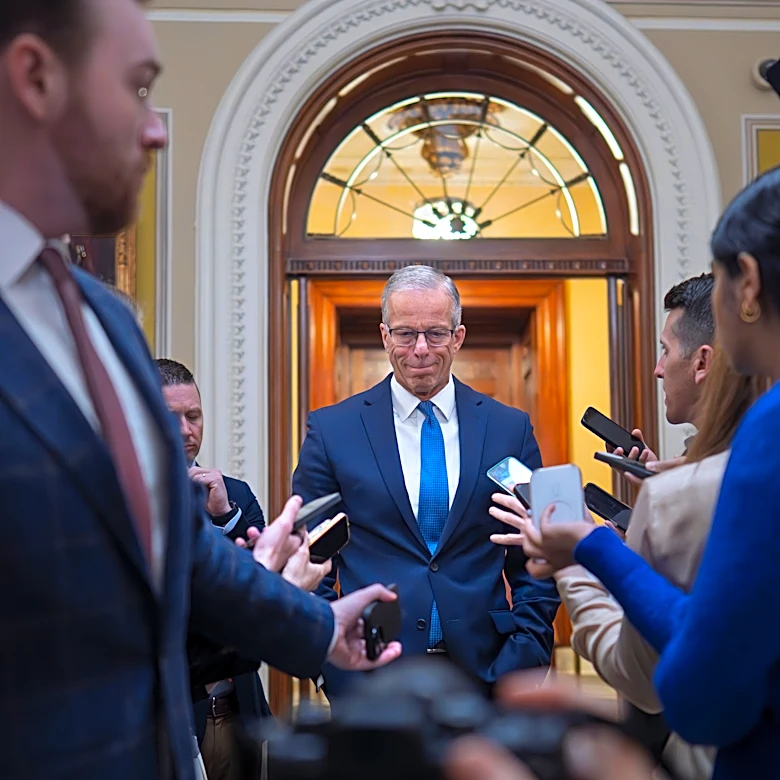
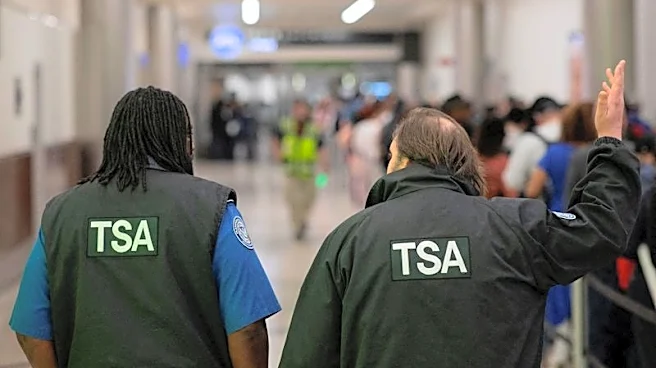
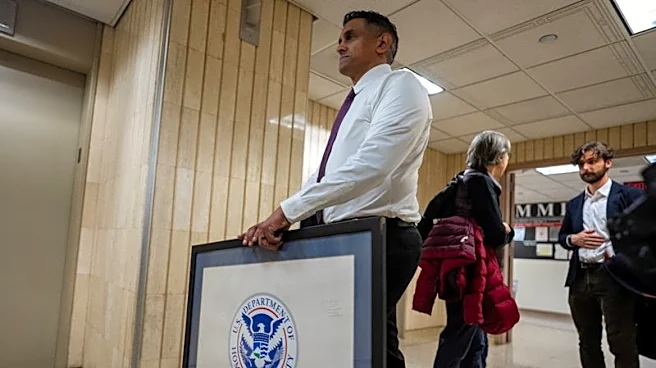
The U.S. House of Representatives has unanimously approved a Senate-passed bill to fund the Department of Homeland Security (DHS), effectively ending a 76-day partial government shutdown. The shutdown, the longest in U.S. history, had left many DHS agencies
struggling to maintain operations. The bill's passage sends it to President Trump's desk for signing, which will officially conclude the shutdown. The impasse was primarily due to disagreements over funding for Immigration and Customs Enforcement (ICE) and Border Patrol, key components of President Trump's immigration enforcement agenda. The resolution involves a two-track funding approach, with immediate reopening of DHS and separate funding for ICE and Border Patrol through budget reconciliation.
Why It's Important?
The end of the DHS shutdown is a significant development in U.S. politics, highlighting the challenges of budget negotiations and the impact of political stalemates on government operations. The shutdown affected critical services and employees, emphasizing the need for effective governance and bipartisan cooperation. The resolution of this impasse may provide a temporary reprieve, but underlying tensions over immigration policy and funding remain unresolved. The situation underscores the importance of finding sustainable solutions to contentious policy issues to prevent future disruptions.