


What's Happening?
The United States has communicated with Iran through mediators, signaling a potential opening for talks between the two nations. This development follows President Trump's recent comments suggesting that a deal to resolve hostilities is possible. According
to a senior Iranian Foreign Ministry official, Iran received points from the U.S. through mediators, which are currently under review. President Trump announced that the U.S. and Iran had productive conversations, with about 15 points of agreement, and expressed optimism about reaching a deal. The president also postponed military strikes on Iran's power plants, contingent on the success of ongoing discussions. Historically, the U.S. and Iran have communicated indirectly, often with countries like Pakistan and Oman serving as intermediaries. The potential deal's specifics remain unclear, but President Trump mentioned that Iran agreed not to pursue nuclear weapons, a key U.S. demand.
Why It's Important?
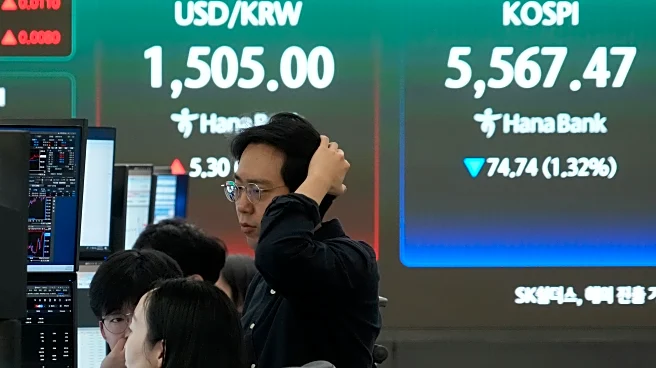
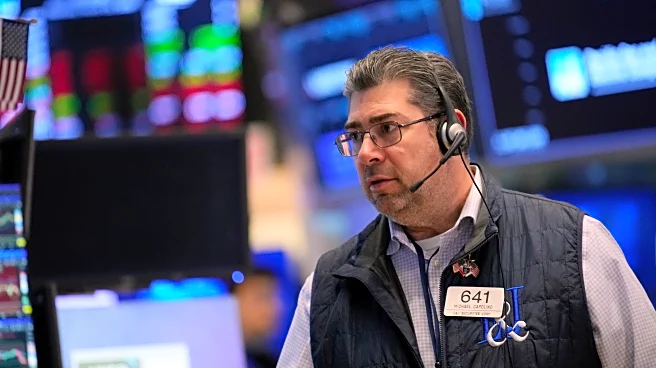
This development is significant as it could lead to a de-escalation of tensions between the U.S. and Iran, which have been high due to military confrontations and disagreements over Iran's nuclear program. A potential deal could stabilize the region and impact global oil markets, as evidenced by a 10% drop in Brent Crude prices following the news. The U.S. stock market also reacted positively, with the S&P 500 rising by 1.15%. The outcome of these talks could influence U.S. foreign policy and its relations with allies like Israel, which has occasionally disagreed with the U.S. on how to handle Iran. A successful negotiation could also enhance President Trump's diplomatic credentials and affect his domestic political standing.
What's Next?
The next steps involve continued discussions between the U.S. and Iran, with mediators playing a crucial role in facilitating communication. The U.S. military's decision to hold off on strikes is temporary, pending the outcome of these talks. Key stakeholders, including regional allies and international organizations, will likely monitor the situation closely. The potential for a formal agreement could lead to further diplomatic engagements and possibly a new framework for U.S.-Iran relations. The involvement of other countries as mediators may also shift regional dynamics and influence future diplomatic efforts.