



What's Happening?
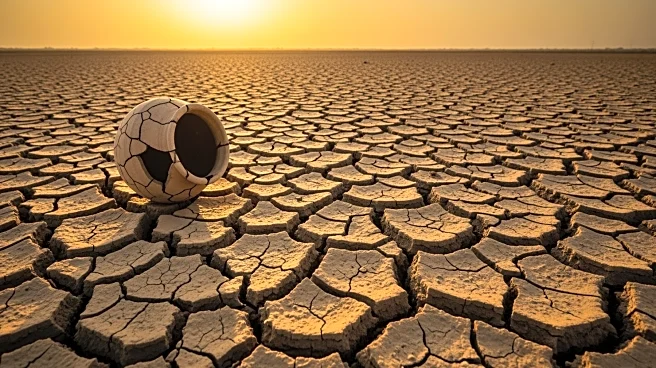
Tehran is experiencing a severe water crisis due to prolonged drought and extreme heat conditions. During the summer of 2025, temperatures soared to nearly 50 degrees Celsius, leading to the temporary closure of public offices and banks. Major reservoirs,
including the Amir Kabir Dam, have reached critically low levels, with water supply systems under significant strain. The situation has prompted warnings of a potential 'Day Zero' when water taps could run dry, and officials have even suggested the possibility of evacuating the capital if conditions do not improve.
Why It's Important?
The water crisis in Tehran highlights the vulnerability of urban infrastructure to climate change and extreme weather events. The ongoing drought and heat stress have disrupted not only water supply but also hydropower generation, impacting the city's economy and daily life. This situation underscores the urgent need for sustainable water management practices and climate adaptation strategies. The crisis serves as a stark reminder of the broader challenges posed by climate change, which could have far-reaching implications for urban centers worldwide.
What's Next?
In response to the crisis, Tehran may need to implement stricter water conservation measures and explore alternative water sources. Long-term solutions could include investing in water recycling technologies and improving infrastructure resilience. The situation may also prompt policy changes at the national level to address climate change impacts more effectively. International cooperation and support could play a crucial role in helping Iran manage its water resources and adapt to changing environmental conditions.