







What's Happening?
Data centers in the United States, driven by the rapid expansion of artificial intelligence, accounted for 4% of the country's total electricity use in 2024. This demand is projected to more than double by 2030, according to a report by the International
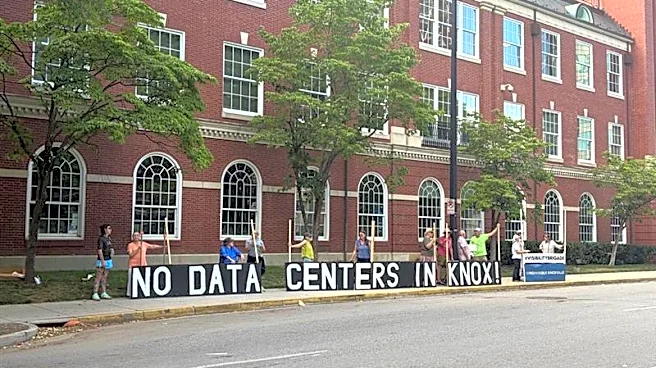
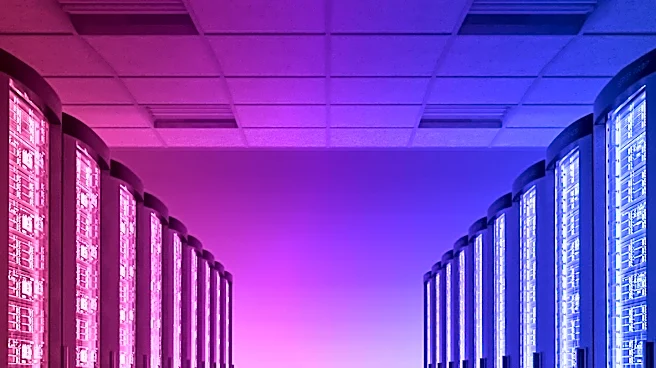
Energy Agency. The growth of data centers, particularly hyperscale facilities, is fueled by the increasing need for AI model training and operations. These centers are concentrated in states like Virginia, Texas, and California, where they significantly strain local power grids. The energy consumption of data centers is primarily for powering servers and cooling systems, with natural gas being the largest energy source. The expansion of data centers raises concerns about their environmental impact and the potential for increased electricity costs for consumers.
Why It's Important?
The expansion of data centers is crucial for supporting the growing demand for AI technologies, which have significant implications for various industries and economic growth. However, the increased energy consumption poses challenges for power grids and could lead to higher electricity costs for consumers. The environmental impact of data centers, including their carbon footprint and water usage, is also a concern, prompting discussions on sustainable energy practices. The situation highlights the need for balancing technological advancement with environmental responsibility and energy efficiency.
What's Next?
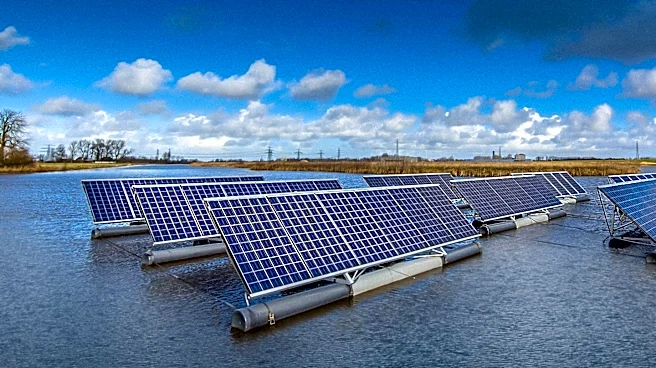
As data centers continue to expand, there may be increased pressure on policymakers to implement regulations that promote sustainable energy use and mitigate environmental impacts. This could include incentives for renewable energy adoption and measures to improve energy efficiency in data centers. Utility companies may need to invest in infrastructure upgrades to accommodate the growing energy demand, potentially affecting electricity rates for consumers. The situation may also drive innovation in energy-efficient technologies and practices within the data center industry.