






What's Happening?
For homes relying on private well systems, a power outage directly translates to a complete loss of water supply, as these systems are entirely dependent on electricity to power their pumps. Unlike municipal water systems, which typically have built-in
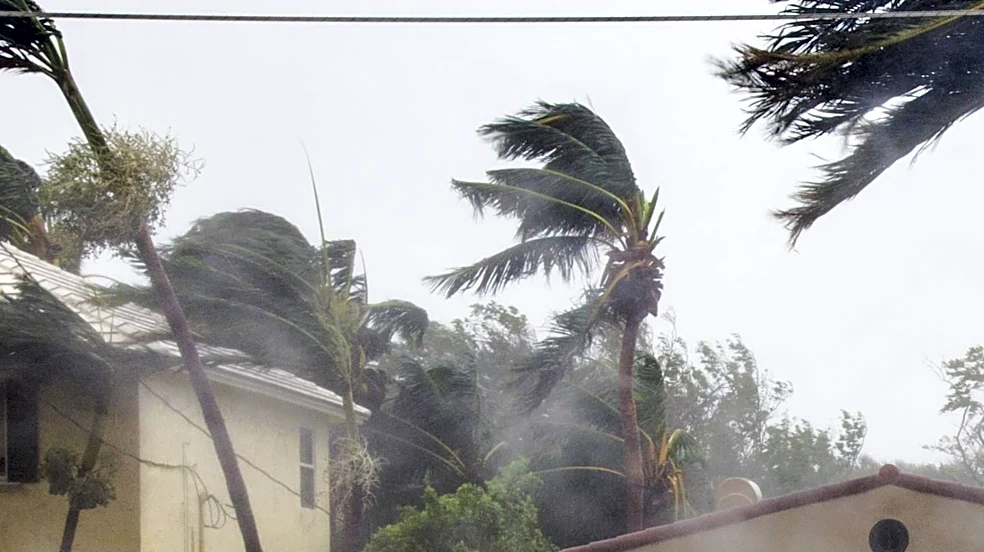
backup power at the utility level, private wells cease to function immediately when electricity is interrupted. This can range from a minor inconvenience during short outages to a significant household problem during extended blackouts, especially in severe weather conditions like winter storms. The lack of running water affects essential daily activities such as drinking, cooking, bathing, and flushing toilets. Households with vulnerable members, including young children, the elderly, or individuals with medical needs, may experience heightened disruption during such events. The immediate cessation of water access for well-dependent homes often comes as a surprise to those accustomed to municipal water services.
Why It's Important?
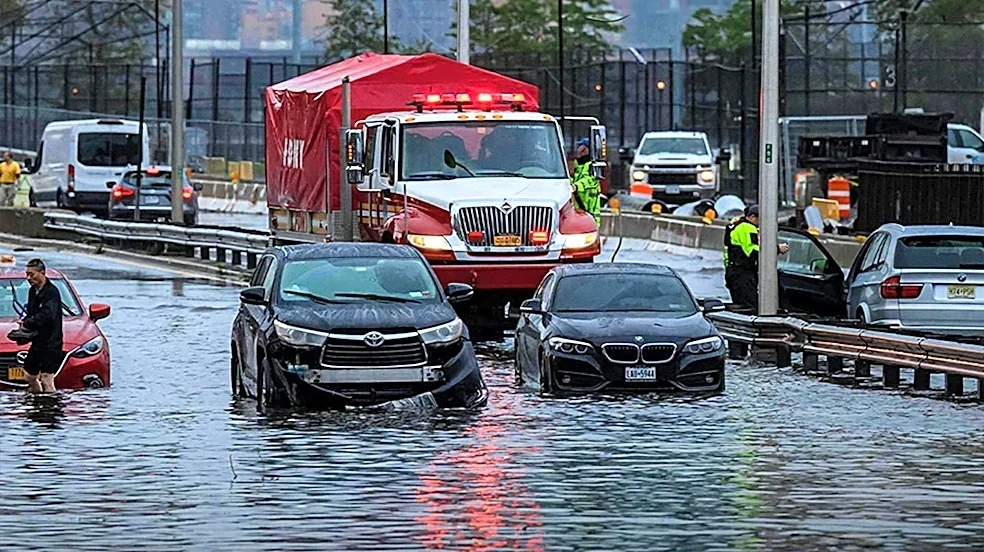
The vulnerability of private well systems during power outages highlights a critical infrastructure gap for a segment of U.S. homeowners. This issue impacts rural and semi-rural communities where private wells are common, underscoring the need for individual preparedness and resilient home infrastructure. The reliance on electricity for water access means that power grid instability, whether due to extreme weather, equipment failure, or increased demand, directly threatens basic household functionality for these residents. The economic impact can include costs associated with purchasing backup power solutions like generators, potential property damage from lack of water (e.g., frozen pipes in winter), and health risks if potable water supplies are not secured. This situation also emphasizes a disparity in service reliability between urban/suburban areas with municipal water and more remote areas relying on private systems, potentially influencing property values and community planning.
What's Next?
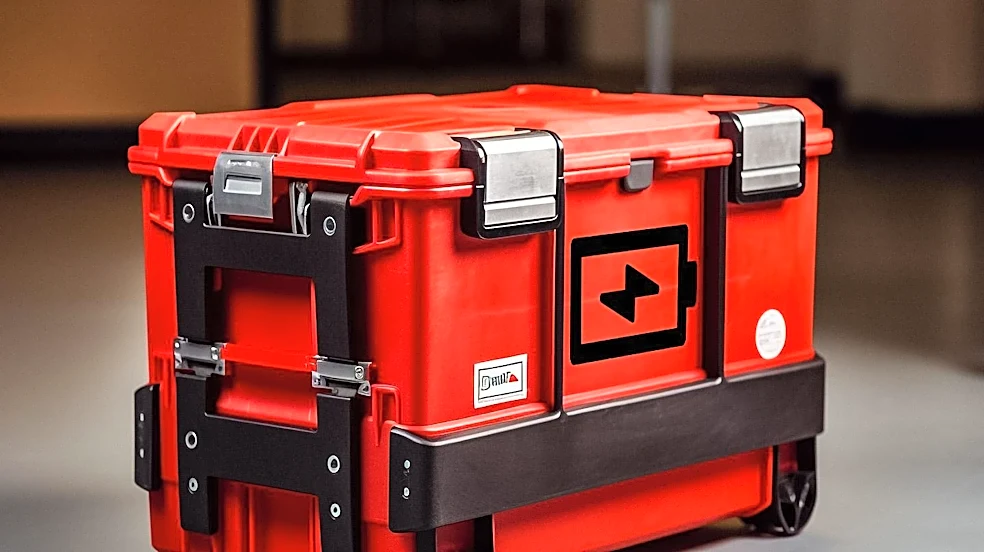
Homeowners with private well systems are encouraged to proactively implement backup power solutions to mitigate the impact of future outages. The most direct solution involves installing a generator capable of running the well pump, often requiring a properly sized unit and a transfer switch installed by a qualified electrician for safe operation. Options include portable generators for occasional use or standby generators for automatic activation and greater convenience. Beyond generators, maintaining a supply of stored drinking water is a low-cost, essential backup. Utility companies and local governments may also need to consider educational campaigns or incentives to encourage well owners to adopt these preparedness measures. As climate change potentially increases the frequency and intensity of severe weather events, the urgency for these preparations will likely grow, prompting more homeowners to invest in resilient water access solutions.
Beyond the Headlines
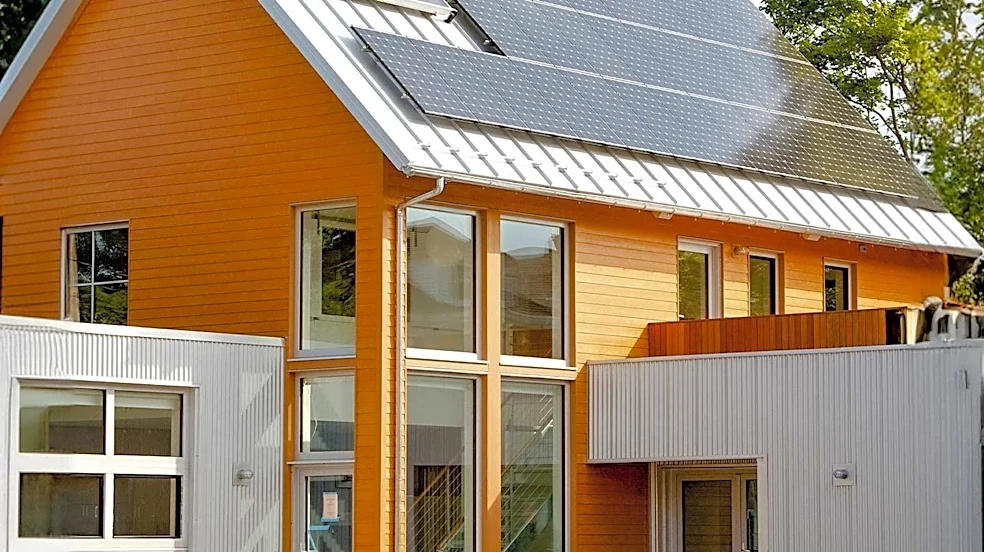
The issue of water access during power outages for well owners extends beyond immediate inconvenience, touching upon broader themes of self-sufficiency, community resilience, and the evolving demands on personal infrastructure. It highlights a societal expectation of continuous utility service that is not always met in decentralized systems. Ethically, ensuring access to basic necessities like water during emergencies is a fundamental concern, prompting questions about equitable infrastructure development and support for all citizens, regardless of their water source. Legally, there may be implications for property development regulations in areas reliant on private wells, potentially requiring disclosure of outage vulnerabilities or mandating certain backup systems. Culturally, it reinforces a sense of individual responsibility for preparedness, contrasting with the collective reliance on public utilities. This situation could also drive innovation in home energy storage and water management technologies, fostering a market for more integrated and resilient household systems.