







What's Happening?
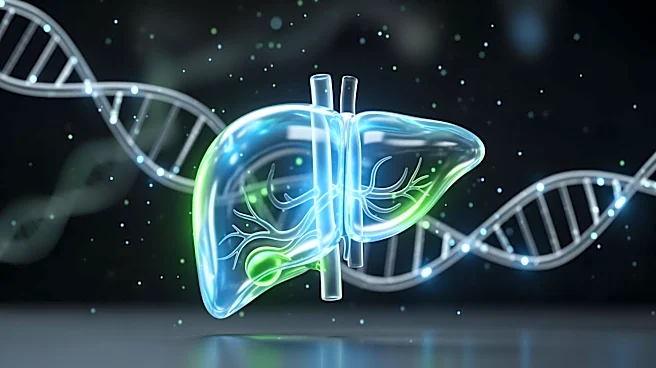
Researchers from the Weizmann Institute of Science, in collaboration with Sheba Medical Center and the Mayo Clinic, have created the first genetic atlas of the healthy human liver. This groundbreaking study, published in Nature, maps the liver at a resolution
of 2 microns, revealing a complex division of labor within the organ. The findings show that the human liver's structure and function differ significantly from other mammals, with implications for understanding diseases like fatty liver disease. The atlas provides a reference for studying liver diseases and could lead to targeted treatments.
Why It's Important?
This research is pivotal in advancing our understanding of liver function and disease. By providing a detailed map of the liver's genetic expression, scientists can better understand why certain areas are more susceptible to diseases. This knowledge is crucial for developing targeted therapies for liver conditions, potentially improving treatment outcomes. The atlas also serves as a valuable resource for researchers worldwide, facilitating further studies on liver health and disease. The ability to compare human liver function with that of other mammals enhances the relevance of animal models in medical research.