
What's Happening?
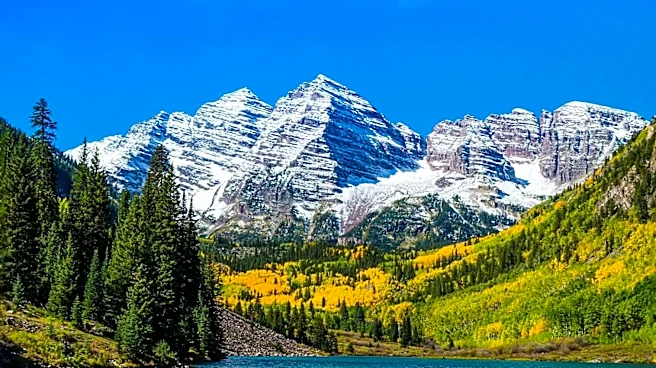
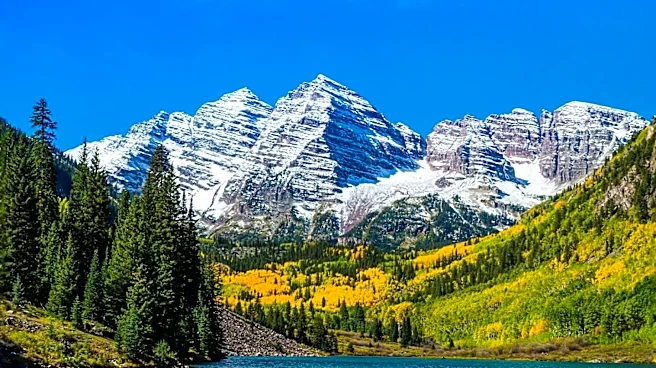
Colorado has experienced its warmest winter on record, leading to a significant reduction in snowpack levels. The Colorado Climate Center reported that the snowpack peak this year was half of the normal
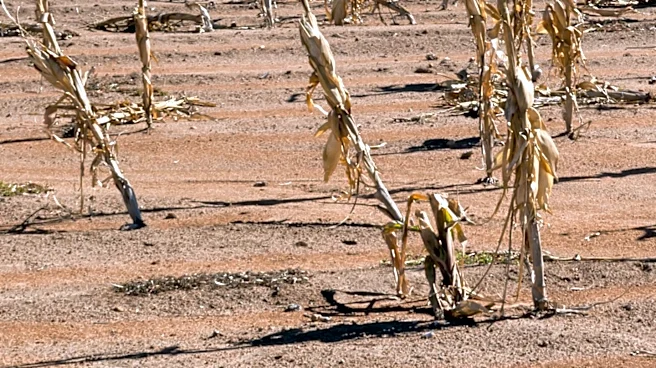
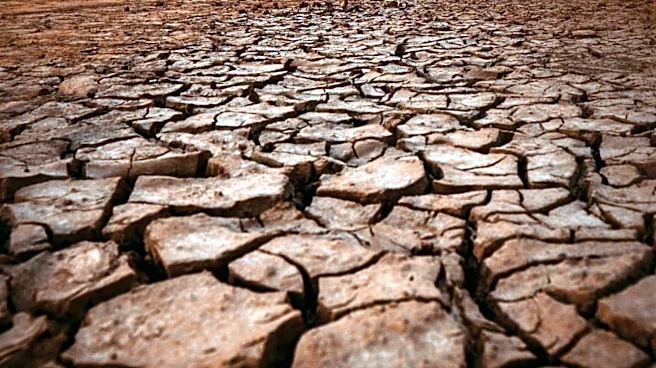
peak and arrived almost a month earlier than usual. Researchers from the Colorado School of Mines have attributed this phenomenon to climate change, which is making snow droughts 14 times more likely in the Upper Colorado River Basin. The implications of low snowpack are far-reaching, affecting water supplies, increasing wildfire risks, and impacting hydropower generation, agriculture, and municipal water systems.
Why It's Important?
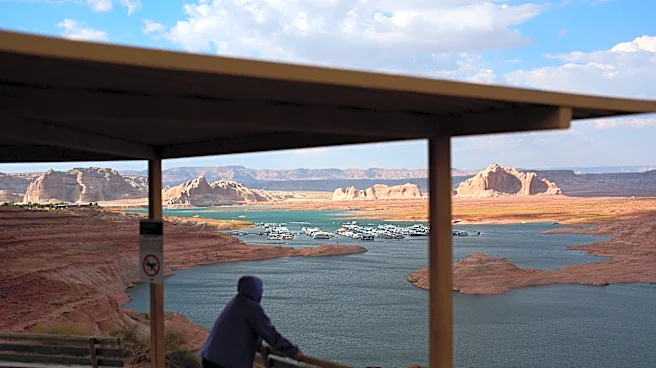
The reduced snowpack in Colorado highlights the immediate impacts of climate change on the state's environment and economy. The ski industry, a significant contributor to Colorado's economy, faces challenges as climate change threatens to shorten the ski season and degrade snow quality. Additionally, the increased risk of wildfires poses a threat to communities and ecosystems, with recent fires already causing significant damage. The depletion of the Colorado River, a vital resource for millions, underscores the urgency for adaptive measures to address water scarcity and environmental degradation.
What's Next?
As climate change continues to impact Colorado, state leaders and policymakers may need to implement more aggressive measures to mitigate its effects. This could involve investing in water conservation technologies, enhancing wildfire prevention strategies, and supporting renewable energy initiatives to reduce carbon emissions. The scientific community will likely continue to study the impacts of climate change, providing data to inform policy decisions and public awareness campaigns.
Beyond the Headlines
The ongoing environmental changes in Colorado may lead to shifts in public perception and policy priorities. As the consequences of climate change become more apparent, there may be increased pressure on political leaders to take decisive action. This could also influence cultural attitudes towards environmental stewardship and sustainability, prompting communities to adopt more eco-friendly practices.