







What's Happening?
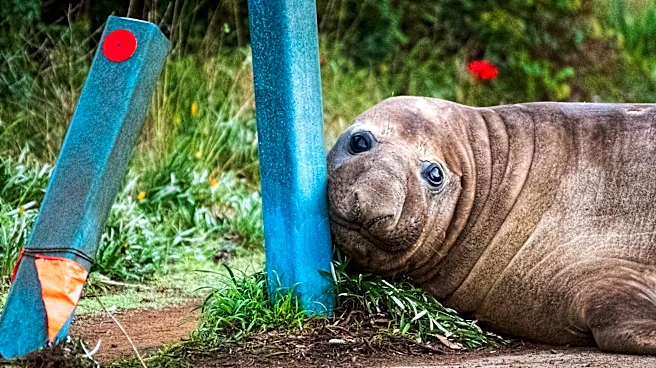
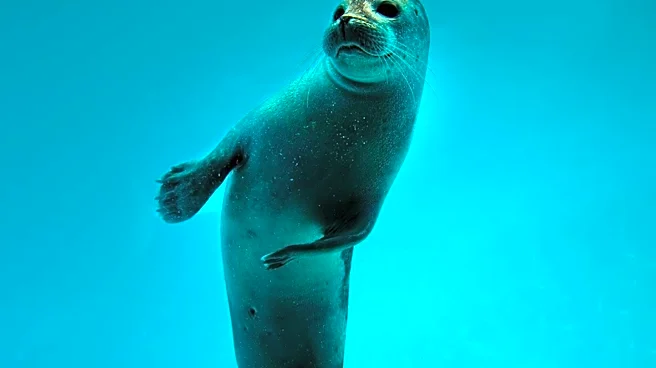
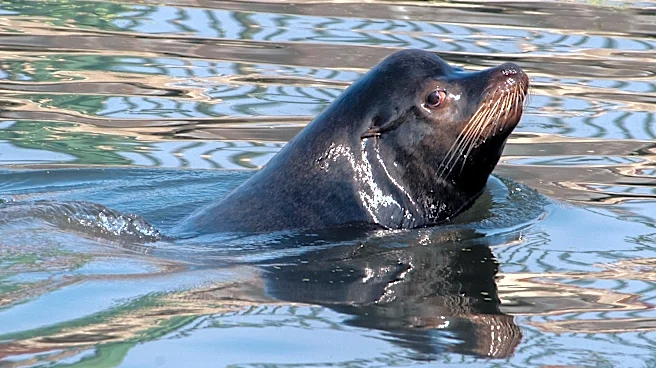
Neil, a five-and-a-half-year-old southern elephant seal, has been causing disruptions at a petrol station in Tasmania. Weighing approximately 1000kg, Neil was seen rocking his massive frame onto a parked ute, creating a scene that startled onlookers.
The seal, known for his playful yet destructive behavior, was eventually shooed away by workers using a wooden board and rope. Neil's reappearance follows a six-month absence at sea, with wildlife officials keeping his location secret to ensure safety. His size and behavior have led to issues such as crushing fences and blocking roads, which experts attribute to his isolation and lack of interaction with other seals.
Why It's Important?
Neil's antics highlight the challenges of managing wildlife in human-populated areas. His presence draws significant public attention, which, while raising awareness about threatened species, also poses risks. The attention can lead to unsafe human interactions and push Neil into unnatural habitats, threatening his survival. This situation underscores the need for effective wildlife management strategies that balance public interest with animal safety. The incident also raises questions about human impact on wildlife and the importance of preserving natural habitats to prevent such conflicts.
What's Next?
Authorities are likely to continue monitoring Neil's movements closely to prevent further disruptions and ensure public safety. There may be increased efforts to educate the public on maintaining a safe distance from wildlife. Additionally, discussions on creating or enhancing protected areas for seals and other wildlife could gain momentum, aiming to provide them with safe environments away from human interference. The situation may also prompt a review of current wildlife management policies to better address similar incidents in the future.
Beyond the Headlines
Neil's story sheds light on the broader issue of wildlife adaptation in changing environments. As human activities encroach on natural habitats, animals like Neil are forced to navigate urban landscapes, leading to potential conflicts. This highlights the ethical responsibility of humans to coexist with wildlife and the need for sustainable development practices. The incident also emphasizes the role of social media in wildlife conservation, as Neil's fame brings attention to the challenges faced by his species, potentially influencing conservation efforts.