



What's Happening?
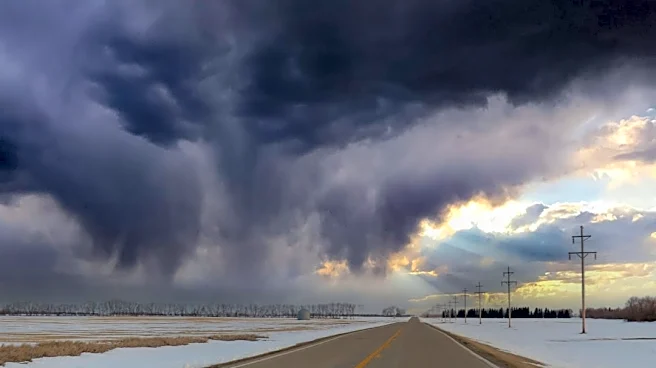
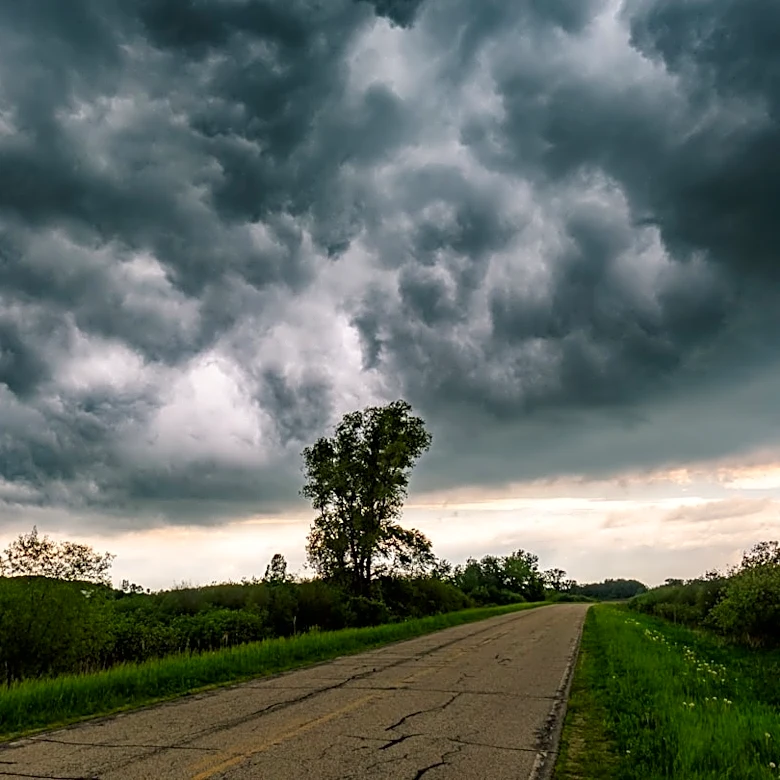
Southeastern Arizona is projected to experience continued active monsoon conditions through the upcoming weekend and into the middle of next week. This sustained activity is attributed to persistent moisture fueling thunderstorms across the region. Areas
most likely to receive measurable rainfall include those south, southeast, and east of Tucson. Localized flooding is a possibility, particularly in Santa Cruz and Cochise counties, which have already experienced significant rainfall and are currently saturated. High temperatures are expected to remain in the mid to upper 90s throughout the weekend, with overnight lows in the mid-70s. Tucson itself is anticipated to see an increased chance of thunderstorms by the middle of next week, which may also bring slightly cooler temperatures to the city.
Why It's Important?
The continuation of monsoon activity in southeastern Arizona is important for several reasons. From an environmental perspective, sustained rainfall can help alleviate drought conditions that are common in arid regions, replenishing water sources and supporting local ecosystems. However, the potential for localized flooding, especially in already saturated areas like Santa Cruz and Cochise counties, poses risks to infrastructure, property, and public safety. Residents and local authorities need to remain vigilant and prepared for flash floods. Economically, consistent rainfall can benefit agriculture and ranching in the region, which rely heavily on monsoon moisture. Conversely, severe flooding can disrupt transportation, damage crops, and incur significant recovery costs. The forecast also impacts daily life for residents, influencing outdoor activities and travel plans, and requiring awareness of weather-related hazards.
What's Next?
Residents in southeastern Arizona, particularly in areas south, southeast, and east of Tucson, should prepare for ongoing thunderstorm activity and the potential for localized flooding through the middle of next week. Weather advisories and alerts from local meteorological services, such as KGUN 9, will be crucial for staying informed about specific timing and intensity of storms. Emergency services and local governments in Santa Cruz and Cochise counties will likely continue monitoring water levels and road conditions to mitigate flood risks. Individuals should take precautions such as avoiding flooded roads, securing outdoor items, and having emergency kits ready. The forecast suggests a slight cooling trend for Tucson by mid-week, which could offer some relief from the high temperatures, but the primary focus will remain on managing the impacts of the active monsoon season.
Beyond the Headlines
The prolonged monsoon activity in southeastern Arizona highlights the broader challenges and adaptations required in regions susceptible to extreme weather patterns. While monsoons are a natural and vital part of the regional climate, their intensity and duration can be significantly influenced by larger climatic trends. The balance between beneficial rainfall and destructive flooding underscores the need for robust urban planning, water management strategies, and resilient infrastructure. This ongoing weather event also serves as a reminder of the importance of community preparedness and effective communication channels between meteorologists and the public. Understanding and responding to these dynamic weather systems is crucial for the long-term sustainability and safety of communities in arid and semi-arid environments.