


What's Happening?
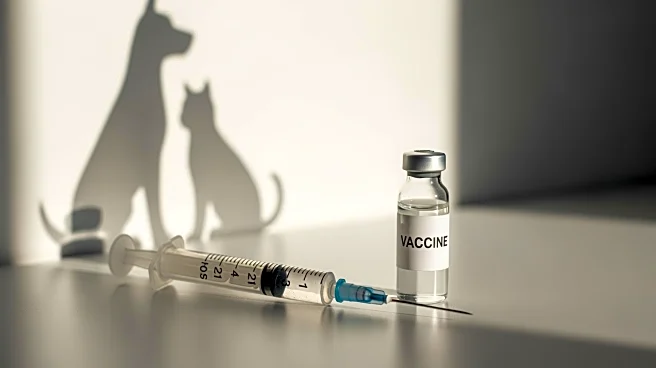
Veterinarians are expressing concern over the growing skepticism about pet vaccines, which mirrors similar hesitations seen among parents regarding childhood vaccinations. This skepticism is particularly focused on rabies vaccines, with more than half
of dog owners questioning their safety, effectiveness, or necessity. Rabies is a critical concern because it is almost always fatal once symptoms appear, and it can spread from animals to humans. The rabies vaccine is required by law in many states, and widespread vaccination is considered essential to prevent outbreaks. Other core vaccines recommended by veterinary organizations include those for canine parvovirus and feline leukemia virus. Despite concerns, serious side effects from pet vaccines are rare, occurring in about 0.2% of dogs. Veterinarians advise pet owners to consult with them to determine the best vaccination plan based on their pet's health, age, and lifestyle.
Why It's Important?
The skepticism surrounding pet vaccines poses a significant risk to both animal and human health. Rabies, in particular, is a deadly disease that can be transmitted from animals to humans, making vaccination a critical public health tool. The hesitation to vaccinate pets could lead to increased outbreaks of rabies and other preventable diseases, potentially resulting in higher infection rates and fatalities. This trend mirrors the vaccine hesitancy seen in human healthcare, which has led to resurgences of diseases previously under control. Ensuring pets are vaccinated not only protects them but also reduces the risk of zoonotic diseases spreading to humans. The broader implications of this skepticism could affect public health policies and the veterinary industry, emphasizing the need for effective communication and education about the benefits and safety of vaccines.
What's Next?
Veterinarians and public health officials may need to increase efforts to educate pet owners about the importance of vaccinations and address concerns about safety and efficacy. This could involve more community outreach, informational campaigns, and collaboration with veterinary organizations to provide clear and accessible information. Additionally, there may be discussions about policy adjustments to reinforce the legal requirements for rabies vaccinations and potentially other core vaccines. Monitoring the impact of vaccine hesitancy on pet health and public safety will be crucial, and further research may be conducted to understand the underlying reasons for this skepticism and how best to counteract it.
Beyond the Headlines
The rise in vaccine skepticism among pet owners reflects broader societal trends in questioning scientific consensus and medical advice. This skepticism can be influenced by misinformation and distrust in institutions, which are challenges faced across various sectors, including human healthcare. Addressing these issues requires a multifaceted approach that not only provides factual information but also builds trust and transparency between veterinarians and pet owners. The cultural dimensions of this skepticism may also be explored, considering how social media and community beliefs shape perceptions of health and safety. Long-term, this trend could influence how veterinary practices operate and communicate with clients, potentially leading to innovations in how health information is disseminated.