






What's Happening?
Smart home devices, including robot vacuums, smart thermostats, televisions, smart speakers, and video doorbells, are collecting extensive personal data beyond their primary functions. Robot vacuums map home layouts and furniture placement, while smart thermostats track
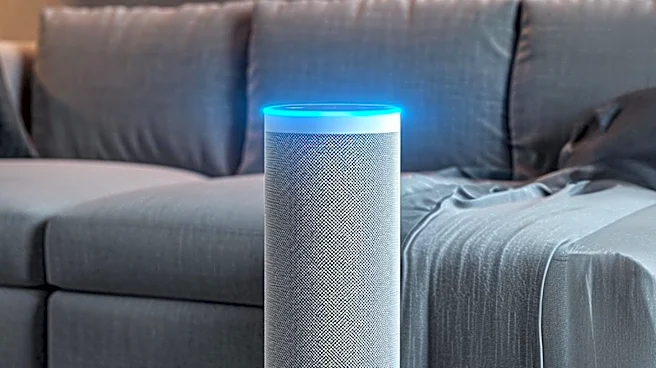
household routines based on temperature adjustments and activity sensors. Smart televisions use Automatic Content Recognition (ACR) to monitor viewing habits for personalized recommendations and advertising. Smart speakers record voice commands, which can include sensitive personal details, and video doorbells capture footage of individuals near homes. Manufacturers vary in their data collection practices, and privacy settings differ by product. Consumers are advised to review these settings, including Home/Away modes, connected-device permissions, and activity-sharing options, to limit unnecessary data collection. The Federal Trade Commission (FTC) has previously addressed these concerns, with Vizio settling allegations in 2017 for collecting viewing histories without adequate consent.
Why It's Important?
The widespread collection of personal data by smart home devices raises significant privacy concerns for U.S. consumers. This data, which can include detailed floor plans, daily routines, viewing habits, and voice recordings, creates a comprehensive digital footprint of household life. This information could be vulnerable to breaches, misuse by manufacturers for targeted advertising, or even access by third parties, including law enforcement, under certain circumstances. The potential for such detailed insights into private lives can erode trust in smart home technology and lead to discomfort among users. For industries, this highlights the growing tension between convenience and privacy, pushing manufacturers to develop more transparent data practices and robust privacy controls to maintain consumer confidence and avoid regulatory scrutiny. Consumers stand to lose control over their personal information, while companies face the challenge of balancing data-driven features with ethical data handling.
What's Next?
Consumers are encouraged to proactively manage their smart home device settings. This includes reviewing privacy policies, disabling features that offer little value, and ensuring strong authentication measures like unique passwords and two-factor authentication are in place. The FTC also recommends installing software updates, changing default router credentials, and disconnecting unused devices to mitigate security risks. As smart home technology continues to evolve, there will likely be increased pressure on manufacturers to implement clearer data collection policies and more user-friendly privacy controls. Regulatory bodies may also continue to monitor and enforce data privacy standards in this sector, potentially leading to new guidelines or legal actions to protect consumer data.
Beyond the Headlines
The pervasive data collection by smart home devices points to a broader societal shift where personal spaces are increasingly digitized and monitored. This trend raises ethical questions about the boundaries of privacy in a connected world and the extent to which individuals are willing to trade personal information for convenience. The 'always-on' nature of many smart devices means that data collection can occur continuously, often without explicit, real-time consent for each instance. This creates a 'surveillance capitalism' dynamic where personal data becomes a valuable commodity. The long-term implications could include a redefinition of privacy expectations, increased demand for data ownership rights, and the development of privacy-enhancing technologies that give users more granular control over their digital lives. It also underscores the need for digital literacy among consumers to navigate these complex privacy landscapes effectively.