





What's Happening?
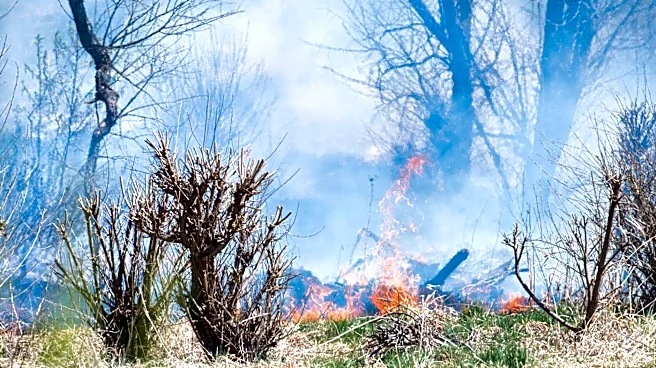
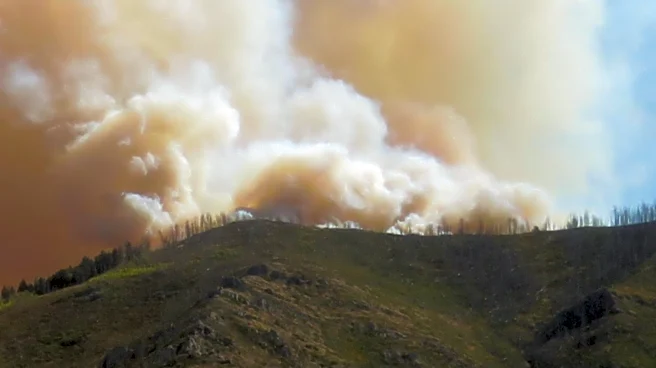
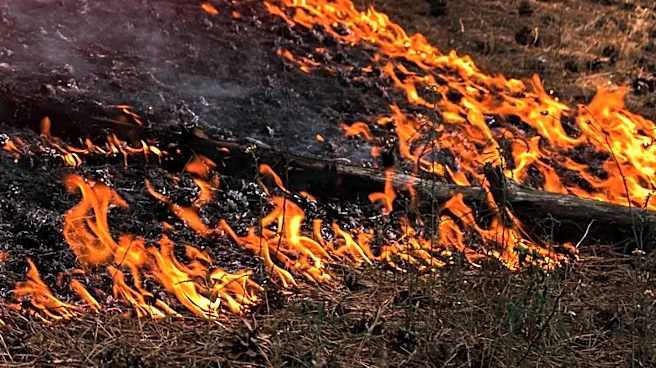
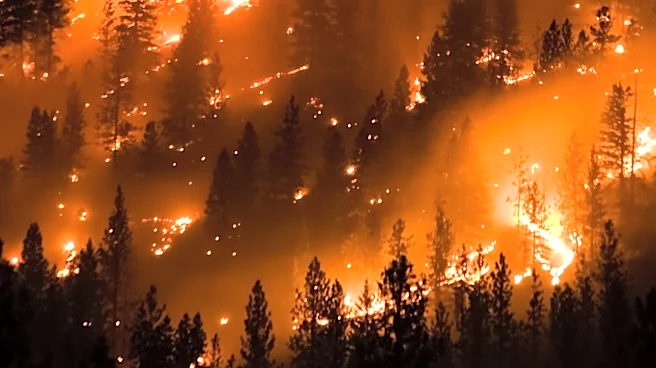
Utah is experiencing a significant number of wildfires in 2026, with 353 incidents reported so far. Of these, 268 are attributed to human causes, including fireworks, while 58 are natural, such as lightning, and 27 remain undetermined. The Bonneville
Fire, which threatened the University of Utah, is categorized as human-caused. The state has seen record-low snowpacks, leading to extremely low fuel moisture content, which makes wildfires easier to ignite. Governor Spencer Cox has declared a state of emergency, restricting fireworks use to prevent further incidents. Experts like Dr. Phillip Dennison emphasize the ecological benefits of some wildfires and advocate for more prescribed burns to prevent larger, more severe fires in the future.
Why It's Important?
The increase in human-caused wildfires in Utah highlights the need for better public awareness and preventive measures. The state's record-low snowpacks exacerbate the risk, as dry conditions make it easier for fires to start and spread. This situation poses a significant threat to communities, ecosystems, and the economy, as firefighting efforts are costly and resource-intensive. The emphasis on prescribed burns and ecological understanding of wildfires could lead to more sustainable fire management practices, potentially reducing the frequency and severity of future wildfires.
What's Next?
Governor Cox's emergency measures, including fireworks restrictions, aim to mitigate immediate risks. Long-term, Utah may need to invest in public education on fire prevention and consider legislative changes to support prescribed burns and other fire management strategies. The state's response to this year's wildfire season could influence future policies and funding allocations for wildfire prevention and management.