






What's Happening?
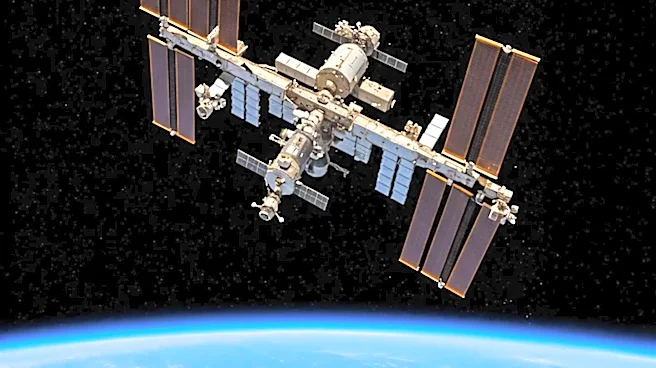
The Lyndon B. Johnson Space Center is actively recruiting a Director for its International Space Station (ISS) Vehicle Office. This pivotal role involves chairing the ISS Vehicle Control Board, which is responsible for managing the development, design,
operations, and maintenance of the ISS vehicle. The Director will also oversee the establishment of integrated vehicle systems requirements, verification methods, interface specifications, and operational modes. Key responsibilities include directing hardware lifecycle activities from design to flight readiness, managing sparing and logistics planning to prevent on-orbit failures, and integrating ISS vehicle system designs across NASA, prime contractors, and international partners. Furthermore, the position entails managing the Russian FGB Module, leading requirements development for exploration-related technology demonstrations, and addressing technical and risk issues associated with ISS-attached commercial vehicles. The Director will also manage multidisciplinary international teams for ISS deorbit planning and direct long-range plans, schedules, and budget estimates for integrated vehicle systems.
Why It's Important?
This leadership position is crucial for the continued safe and effective operation of the International Space Station, a cornerstone of international collaboration in space exploration. The Director's oversight of vehicle development, maintenance, and operational integrity directly impacts the success of ongoing scientific research and technological advancements conducted aboard the ISS. Effective management of the Russian FGB Module and coordination with international partners are vital for maintaining geopolitical stability in space endeavors and ensuring the seamless functioning of the station's complex systems. The role's focus on integrating commercial vehicles and developing exploration technologies also signifies a commitment to expanding commercial space opportunities and preparing for future deep-space missions. The successful candidate will play a critical role in safeguarding the significant U.S. investment in the ISS and advancing the nation's leadership in human spaceflight, impacting scientific progress, technological innovation, and international relations.
What's Next?
The selection process for the Director ISS Vehicle Office will involve a thorough review of candidates' qualifications, including their Executive Core Qualifications (ECQs) and Mandatory Technical Qualifications (MTQs). The chosen individual will be required to file an 'Executive Branch Personnel Financial Disclosure Report' and may be subject to a one-year probationary period if appointed as an initial Senior Executive Service (SES) Career appointee. Successful completion of a background investigation and potential pre-employment and random drug testing are also prerequisites. Once appointed, the new Director will immediately assume responsibility for the complex management of ISS vehicle systems, including ongoing development, operational oversight, and strategic planning for future space exploration initiatives. This will involve continuous collaboration with NASA divisions, prime contractors, and international partners to ensure the ISS remains a fully functional and productive orbiting laboratory.
Beyond the Headlines
The appointment of a new Director for the ISS Vehicle Office extends beyond mere administrative changes; it reflects the evolving landscape of space exploration and the increasing complexity of managing international space assets. The emphasis on integrating commercial vehicles highlights a broader trend towards greater private sector involvement in space, potentially shifting the dynamics of space operations and funding. The role's responsibility for deorbit planning also underscores the long-term environmental and safety considerations associated with space debris and the responsible conclusion of space missions. Furthermore, the need for a leader capable of navigating multidisciplinary international teams speaks to the intricate diplomatic and technical challenges inherent in global space partnerships. This position is not just about managing hardware but also about fostering collaboration, ensuring safety, and charting the future course of human presence in low-Earth orbit and beyond.