

What's Happening?
President Trump has called on several nations, including China, France, Japan, South Korea, and the U.K., to assist in reopening the Strait of Hormuz. This request comes amid ongoing tensions with Iran, as Trump indicated that Iran is prepared to negotiate
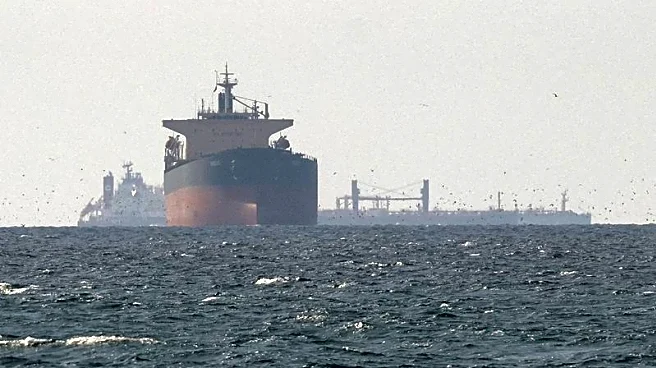
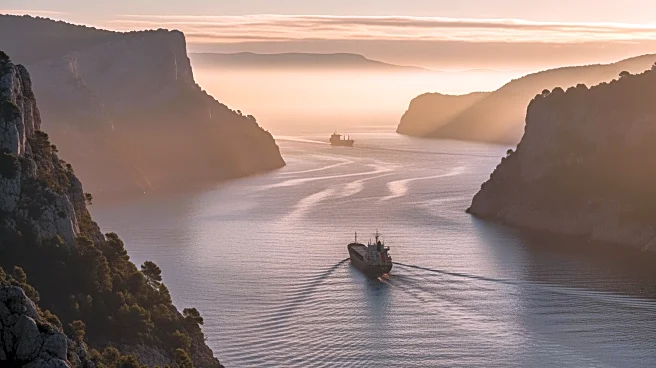
a ceasefire. The Strait of Hormuz is a critical maritime passage for global oil shipments, and its closure has significant implications for international trade and energy markets. Despite Trump's outreach, there has been no immediate response from the countries addressed.
Why It's Important?
The Strait of Hormuz is a vital chokepoint for the global oil supply, with a significant portion of the world's petroleum passing through it. Any disruption in this region can lead to increased oil prices and economic instability. President Trump's call for international assistance highlights the geopolitical complexities and the need for multilateral cooperation to ensure the security of this strategic waterway. The situation also underscores the broader implications of U.S.-Iran relations on global energy markets and international diplomacy.
What's Next?
The international community's response to President Trump's call will be crucial in determining the next steps. If countries agree to assist, it could lead to a coordinated effort to secure the Strait and potentially ease tensions with Iran. However, if the call goes unanswered, the U.S. may need to explore alternative strategies to address the situation. The outcome of any negotiations with Iran will also play a significant role in shaping future developments.