




What's Happening?
Amidst a summer marked by food recalls and illness outbreaks, Consumer Reports is advising consumers on essential precautions to mitigate food safety risks at home and in grocery stores. According to James E. Rogers, director of food safety at Consumer Reports,
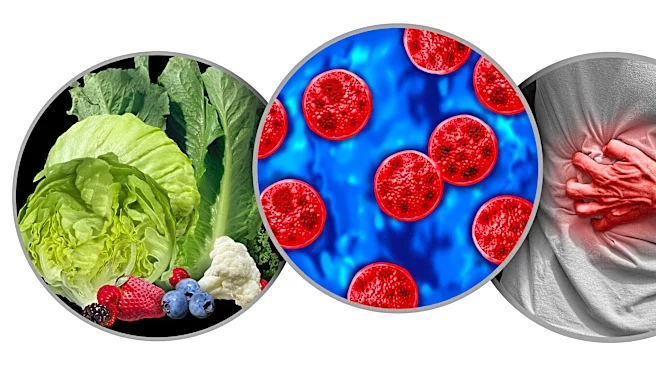
no food is entirely risk-free, with potential hazards including undeclared allergens, foreign objects, bacteria, viruses, and cross-contamination. Pathogens like listeria and salmonella are often undetectable by sight, smell, or taste. Foods consumed without cooking, such as raw fruits, vegetables, salads, and deli meats, pose a higher risk due to the absence of a heat-based 'kill step.' Deli meats are particularly concerning as they can become contaminated during slicing and packaging, and listeria can thrive in refrigerator temperatures. Consumer Reports recommends opting for pasteurized dairy products over unpasteurized ones, which can harbor bacteria like salmonella and E. coli. The organization also stresses the importance of monitoring recall notices from sources like the FDA and USDA's Food Safety and Inspection Service, as recalled items may sometimes remain on store shelves.
Why It's Important?
The guidance from Consumer Reports is crucial for public health, as foodborne illnesses can lead to severe health complications, especially for vulnerable populations such as pregnant individuals, young children, older adults, and those with weakened immune systems. The prevalence of undetectable pathogens means that consumers must be proactive in their food handling and purchasing decisions. The advice to monitor recall notices highlights a systemic issue where recalled products might not be immediately removed from shelves, placing the onus on consumers to stay informed. This situation underscores the need for robust food safety practices throughout the supply chain and greater consumer awareness to prevent widespread outbreaks. Adhering to these recommendations can significantly reduce the incidence of foodborne illnesses, thereby lessening the burden on healthcare systems and improving overall public well-being.
What's Next?
Consumers are urged to immediately implement the recommended food safety practices, including proper washing of produce, preventing cross-contamination in the kitchen, and ensuring foods are cooked to safe internal temperatures. Continued vigilance regarding recall alerts from official sources like the FDA and USDA will be essential. Retailers are expected to enhance their internal processes for removing recalled products from shelves more efficiently, although consumers should not solely rely on this. Public health campaigns may further amplify these safety messages to ensure broader awareness. The ongoing focus on food safety will likely lead to increased scrutiny of food production and distribution practices, potentially prompting regulatory bodies to reinforce existing guidelines or introduce new measures to protect consumers from contaminated food products.
Beyond the Headlines
The persistent issue of foodborne illnesses and recalls points to deeper challenges within the food industry, including the complexities of global supply chains and the rapid distribution of products. The reliance on consumer vigilance to identify and avoid recalled items suggests a gap in the effectiveness of current recall systems. This situation raises ethical questions about corporate responsibility in ensuring product safety and the extent to which consumers should bear the burden of protection. Long-term implications could include a shift towards more localized food systems, increased demand for transparency in food sourcing, and the development of advanced technologies for pathogen detection and prevention. The emphasis on individual actions also highlights broader societal trends where personal responsibility is increasingly critical in managing public health risks.