
What's Happening?
A potentially record-breaking El Niño is predicted to impact California's crab and salmon fishing industries significantly. Federal scientists estimate an 81% chance of a 'super' El Niño, reminiscent of the
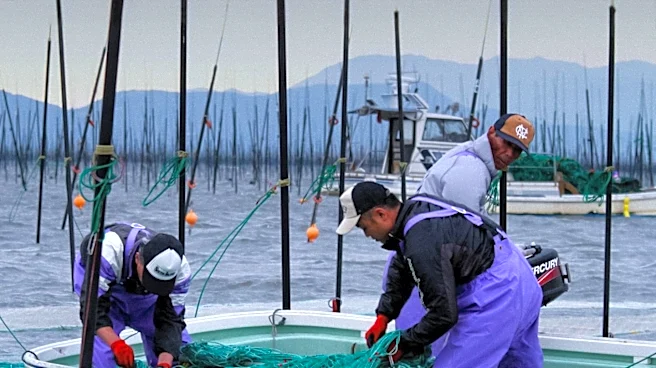
2015-2016 event that disrupted West Coast fisheries. Warmer ocean temperatures are expected to alter marine ecosystems, affecting the availability and health of key species like Dungeness crabs and salmon. The economic implications for commercial fishing fleets are substantial, as these species are critical to their livelihoods. The situation is compounded by high gas prices and the aftermath of a coastal heat wave, challenging the industry's resilience.
Why It's Important?
The anticipated El Niño poses a severe threat to California's fishing industry, which is a vital component of the state's economy. The potential decline in crab and salmon populations could lead to significant financial losses for fishermen and related businesses. The situation underscores the broader impact of climate change on marine ecosystems and the economic stability of communities dependent on these resources. Additionally, the challenges faced by the fishing industry highlight the need for adaptive strategies and support mechanisms to mitigate the effects of environmental changes.
What's Next?
As the El Niño event unfolds, fishing fleets may need to adapt by targeting alternative species or adjusting their fishing locations. Regulatory bodies might implement measures to protect vulnerable species and manage fishing activities sustainably. The industry could also advocate for more timely financial relief mechanisms to support affected fishermen. Long-term, there may be increased emphasis on research and policy development to enhance the resilience of marine ecosystems and the communities that rely on them.