



What's Happening?
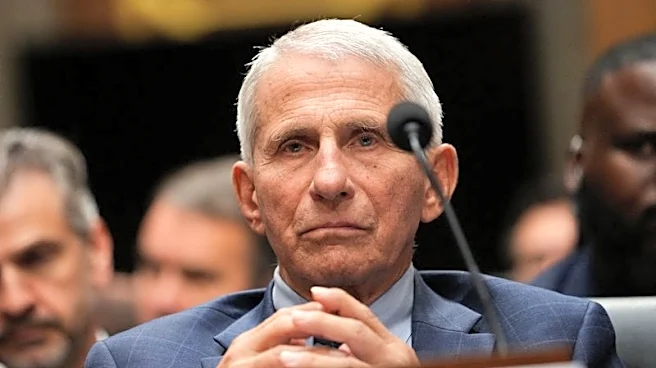
The U.S. Senate Agriculture Committee has failed to advance the Farm Bill due to disagreements over the Supplemental Nutrition Assistance Program (SNAP) error rate issue. The bill, which included provisions from over 100 bipartisan bills, faced opposition
from Democrats who demanded a two-year extension for states to meet SNAP error rate requirements. The committee's chairman, John Boozman, proposed a one-year extension as a compromise, but the absence of key Republican senators led to the bill's defeat by a single vote. The failure to pass the bill delays critical updates to agricultural policies, including provisions for ethanol production and rural development.
Why It's Important?
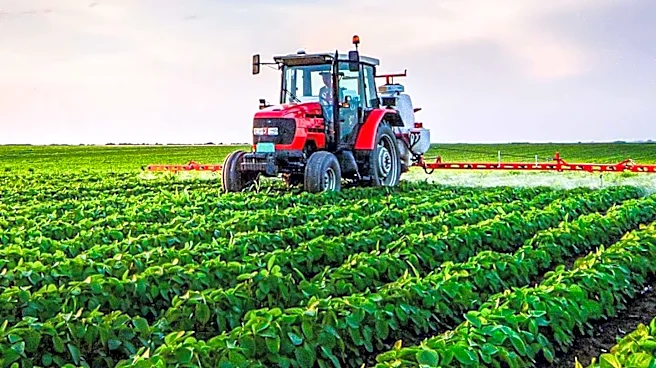
The inability to pass the Farm Bill has significant implications for U.S. agriculture and food assistance programs. The bill's failure highlights the ongoing partisan divide in Congress, particularly over SNAP, which provides essential food assistance to millions of Americans. The delay in reauthorizing the Farm Bill affects farmers who rely on its provisions for financial stability and market access. Additionally, the bill's provisions for ethanol production are crucial for corn producers and the renewable energy sector. The continued impasse could lead to uncertainty and financial strain for farmers and rural communities, emphasizing the need for bipartisan cooperation to address these critical issues.
What's Next?
As Congress reconvenes in the fall, there will be renewed efforts to negotiate a bipartisan Farm Bill. Lawmakers will need to address the contentious SNAP error rate issue and find common ground on other provisions to ensure the bill's passage. The agricultural sector and advocacy groups will likely increase pressure on legislators to reach a compromise that supports farmers and maintains essential food assistance programs. The outcome of these negotiations will have long-term implications for U.S. agriculture policy and the economic well-being of rural communities.