
What's Happening?
Idaho election officials are set to audit two counties, Latah and Bannock, after they initially underreported ballots in the recent election. This decision follows a random draw conducted by Idaho State
Controller Brandon Woolf, as mandated by a 2022 state law requiring audits to verify the accuracy of reported election results. In Latah County, over 2,300 early voting ballots were not reported on Election Day due to a memory device not being properly connected to the system. Bannock County officials discovered 333 uncounted ballots in a poll volunteer's pickup truck. While officials state these late ballots did not change race outcomes, the incidents have raised questions among voters and state officials, prompting the audits.
Why It's Important?
The auditing of Latah and Bannock counties is crucial for maintaining public trust in the electoral process, especially given the recent instances of underreported votes. Election integrity is a cornerstone of U.S. democracy, and any discrepancies, even if not outcome-altering, can fuel skepticism and misinformation. This situation highlights the challenges in election administration, particularly the potential for human error and technical glitches. For Idaho, these audits are a test of the 2022 state law designed to ensure accuracy and transparency. The findings will be vital for identifying systemic vulnerabilities and implementing safeguards to prevent future occurrences, thereby reinforcing confidence in the state's election system.
What's Next?
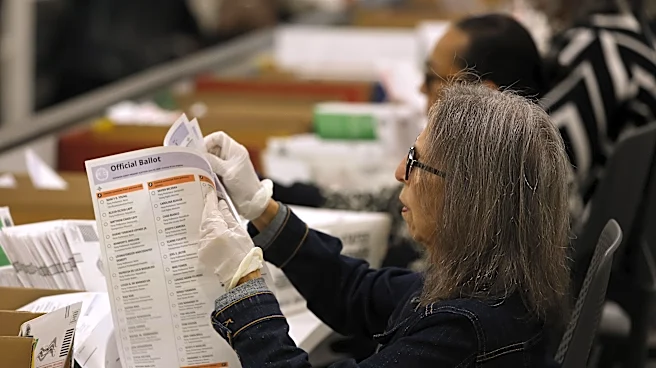
Officials from the Idaho Secretary of State’s Office will conduct hand counts of a random selection of thousands of ballots in the chosen counties. This process will compare the hand-counted results with those publicly reported by county clerks. The audits will cover individual races, including federal congressional offices, statewide positions, and state legislative seats, with Secretary of State Phil McGrane determining which races will be audited. The audits are open to public observation, and the results from the recent election remain unofficial until certified by the State Board of Canvassers on November 24. Lessons learned from these incidents are expected to inform future election procedures and safeguards.
Beyond the Headlines
The incidents in Latah and Bannock counties, while attributed to human error and technical oversight, underscore the broader national debate surrounding election security and voter confidence. In an era of heightened scrutiny over election processes, even minor discrepancies can be amplified, potentially eroding trust in democratic institutions. This situation could prompt other states to review their own audit procedures and technological safeguards. It also highlights the critical role of local election officials and poll workers, emphasizing the need for comprehensive training and robust protocols to prevent errors. The transparency of these audits will be key to reassuring the public and demonstrating the resilience of the electoral system against both unintentional errors and potential malicious intent.